
Aura is a small Taiwanese cafe and roastery with a heavy focus on packaging and communication. They’ve developed their own tasting chart based on flavors that people in Taipei know and understand. It’s a very localized version compared to the Specialty Coffee Association standard flavor wheel. So instead of nutty and vegetative notes, you get winey and grassy. Aura also developed a computerized packaging system to determine what the art should look like for each of their unique roasting styles. The way their packaging system works is basically, they feed different pictures into the computer with all the colors of their flavor chart, then inform it how they feel about the coffee and how it tastes, and the system automatically creates a design. It’s a lot of effort just to package the beans, but it really shows the level of commitment Aura has in terms of serving their local community.
Since it’s inception, Singapore’s Junior has had a revolving stream of concepts, changing up the menu and even the interiors every six months. When we visited them last week, we discovered that we were catching the tail end of one of these periods.
The Night Nurse is a boozy, mezcal-driven concoction from this current tiki-centric offering. Specifically, the drink headlines a hibiscus mezcal, stacked with spiced orange soda, quinoa wine, and finished off with a little bit of fresh lime. Though quite a visual treat to see the drink as it’s shown in this photo, the bartender instructs you to stir before drinking, because all that red liquid on the top layer? That’s all mezcal. Excellent job, Junior.
If you wish to try The Night Nurse, get to Junior soon, as it’s very likely going away with just a few days. The bartender says that as they are quickly approaching their 6 month mark for this current tiki/island theme, we can expect that major concept overhaul to drop within August. Can’t wait to see what’s up next, Junior.
We all speak different languages, but we all say espresso. While traveling around Taipei, we stumbled upon this sign at Chyi Woa. Even in a sea of foreign characters, the sight of this familiar word was welcoming. They serve a variety of coffee origins at Chyi Woa which they prepare using an old school Faema espresso machine. The majority of the people inside were elderly gentlemen—including the barista. They seemed to regularly get together for espressos, and it really emphasizes how much coffee can connect people. This cafe is right around the corner from where Imperfect Coffee and Matcha is, where the majority of customers are young university students. But don’t hesitate to come in, they’re very welcoming in both cafes, regardless of age. It’s a nice contrast, seeing both of these cafes right across from each other. It shows how much this neighborhood values the different cultures of each generation.
Foam can often make a cocktail, and the Manhattan lounge in Singapore proves this point adeptly with their twist on the classic New York Sour. By spraying a ruby port wine stencil onto the drink, they combine presentation with taste. Usually a layer of foam requires a separate aromatic and you end up smelling something different from what you’re tasting. But they include the port in the drink’s mix as well, bringing taste and smell full circle. The ingredients also include lavender maple and plum bitters, which line up perfectly with the port and Michter’s bourbon. And by including egg whites, they manage to capture the new world era of New York nicely, completing their revamped menu, which features drinks from different time periods.
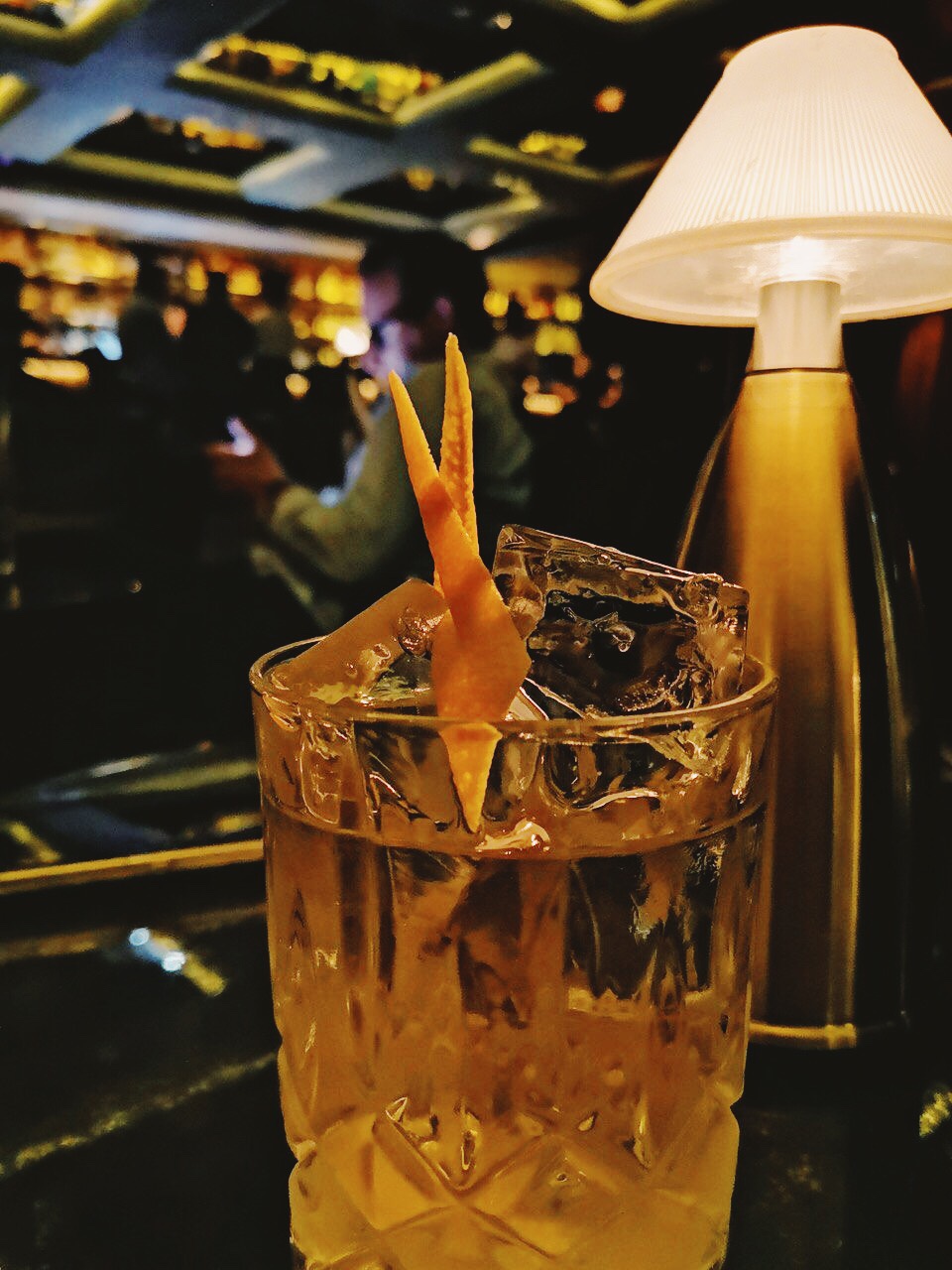
Manhattan in Singapore reigned at the top of the 50 best bars in Asia list for quite some time until this year where they came in second. Their previous menu was based on geographic locations around New York, but in 2018 they redid their entire menu to be a journey through different eras that the American city experienced. Their themed cocktail menu is divided into four pages, each representing an era with cocktails inspired by their given timeline. Every page also has a food menu, specifically crafted to pair with the drinks on each page. The Bonfire showcases the 1520-1650s era when America was discovered. Mezcal is used as the New World spirit base and mixed with smoked ham cherry tobacco bitters and maple. They also use two garnishes that lean on each other to represent a “bonfire.” It’s a simple and clean drink with a very smoky flavor from the bitters. Although Mezcal is Mexican and New York City didn’t acquire its name until 1664, it’s still an interesting drink.
Bar Pun in Taipei is a hidden gem in a city full of them. One of the partners, Kero, was kind enough to play host for us during our trip there. According to him, their bar functions on the belief that there are always two meanings to a word. One of the best examples of this is the name Pun, which means incense in the local language but in English is a play on words with multiple meanings. The bar is known for using incense and other ingredients heavily influenced by Taiwan’s different cultures and merging them with Western concepts. Kero explains that everything they do is very deliberate and packed with meaning. When you read through their menu or drink their signature cocktails, you can feel the amount of care, attention to detail, and focus on storytelling. They’re head and shoulders above many other bars, not only in Taipei, but across Asia.
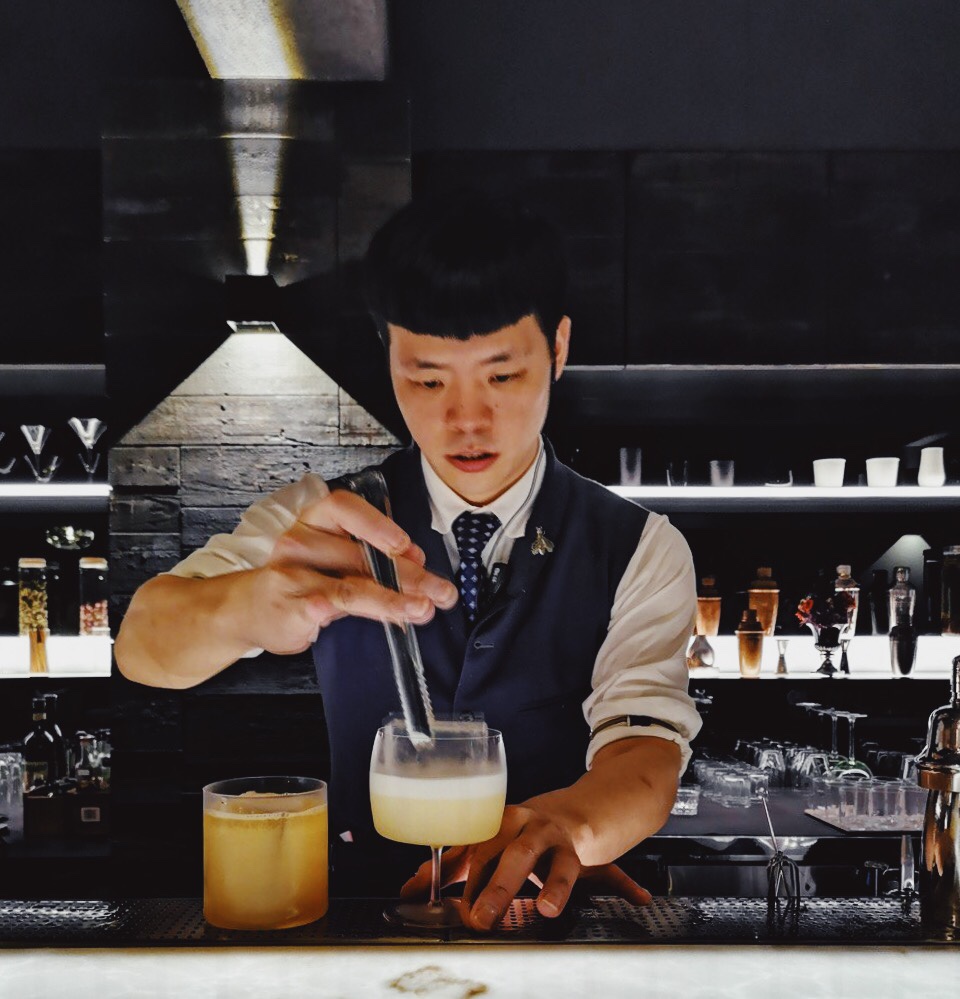
When visiting a hype and new cocktail bar, the tendency is to order one of the bar’s signature beverages. To see the creativity of the artists behind the bar, and what they’ve been able to pull off that is fresh and new. “I think you should have the negroni,” says Bar Pun’s champion bartender, Kero. “I know you’ve had many negronis, but you haven’t had ours. Ours is different.” He was right. Slight alterations from the standard recipe — including an aromatic utilising the bar’s Chinese namesake: incense — made for a cocktail that was both satisfying and surprising.
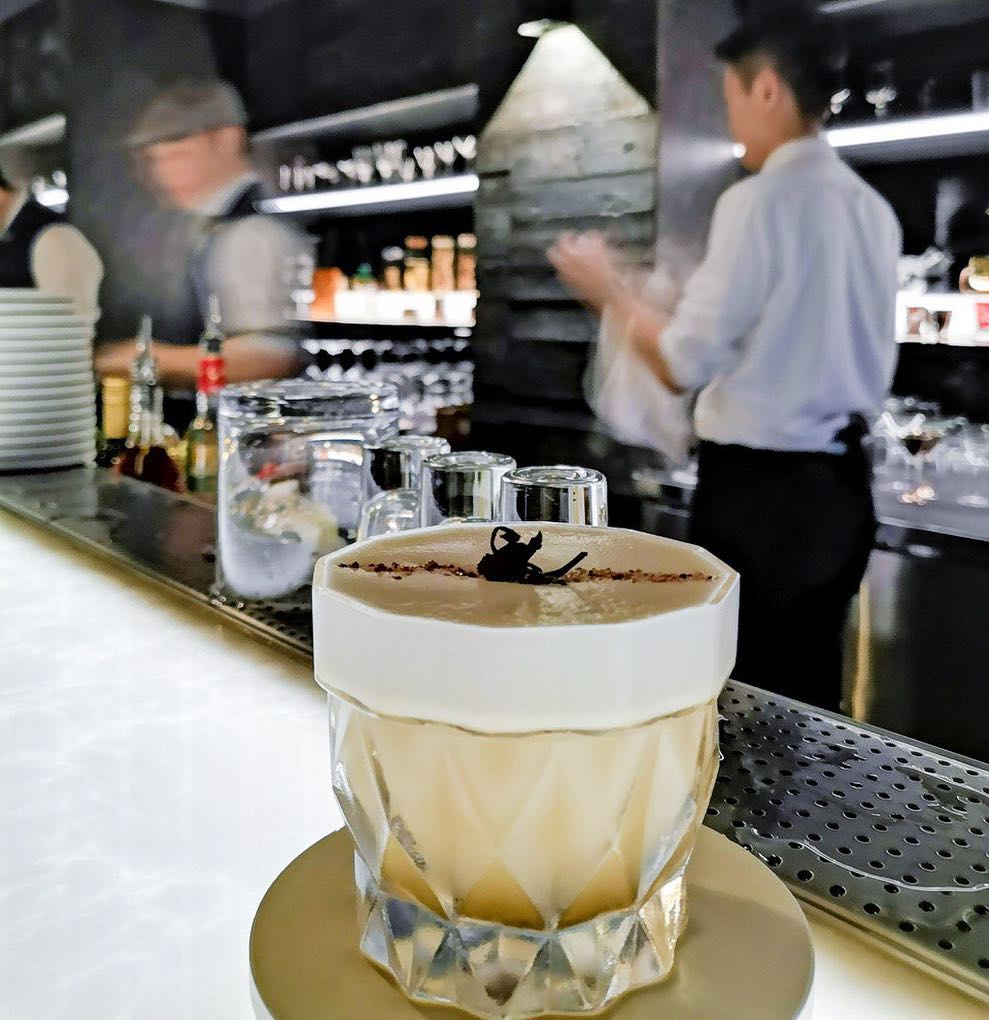
Winter is here, and this? This is Jon Snow. Made with Pear Brandy, Fauchon Tea Liquer, Early Grey Tea, lemon, and egg white which makes for a great “snow” in the form of foam. Finally, garnished with incense which also serves as an aromatic for the cocktail. This is one of the crowd favorites at Bar Pun, both because of the name but also because people feel they can relate to it. Once you’ve had one, you’re most likely to get another one because its such a sweet and tasty drink. There’s a variety of texture to it, as you enjoy peeling through the layer of “snow” on top you’ll find a refined and royal flavor coming out of the brandy and tea flavors lining up underneath. Another cool thing about Jon Snow is that if you’re from Taipei, you’ll recognize that the ingredients of this drink all come from the north of the country, which shows how thoughtful the bartenders were when designing the Jon Snow.
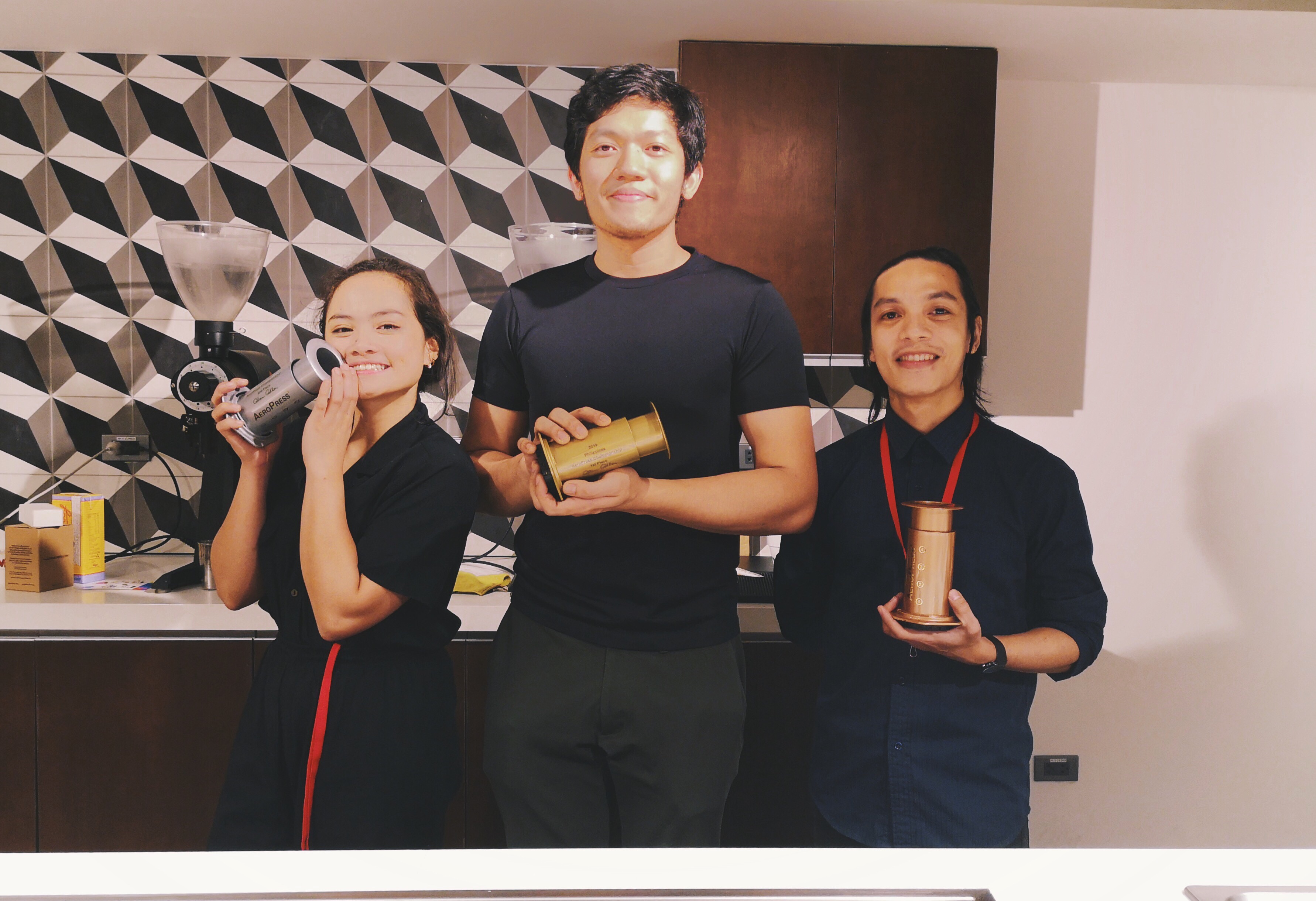
Aeropress Championship is one of the most awaited events in the Philippines’ continually developing coffee community. It’s filled with people passionate about coffee and hungry for knowledge to learn more about coffee brewing and the industry.
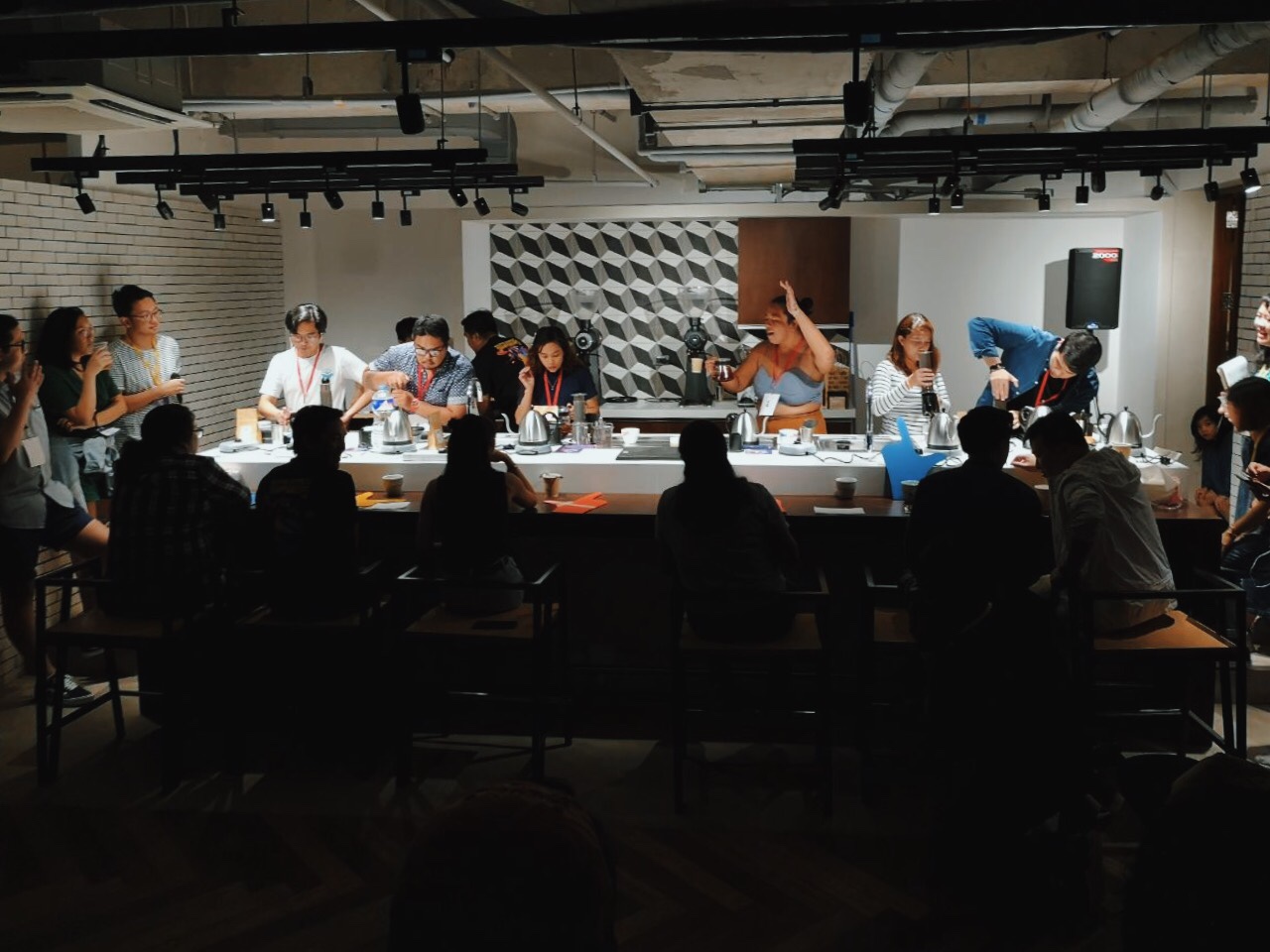
Characterised by loud music and developing stronger ties in the scene, this event brings hundreds of people together, united in that same passion for brewed black coffee. Despite it being a competition, there is no vibe of hostility. Instead, camaraderie prevails because of how closely knit the coffee community is.
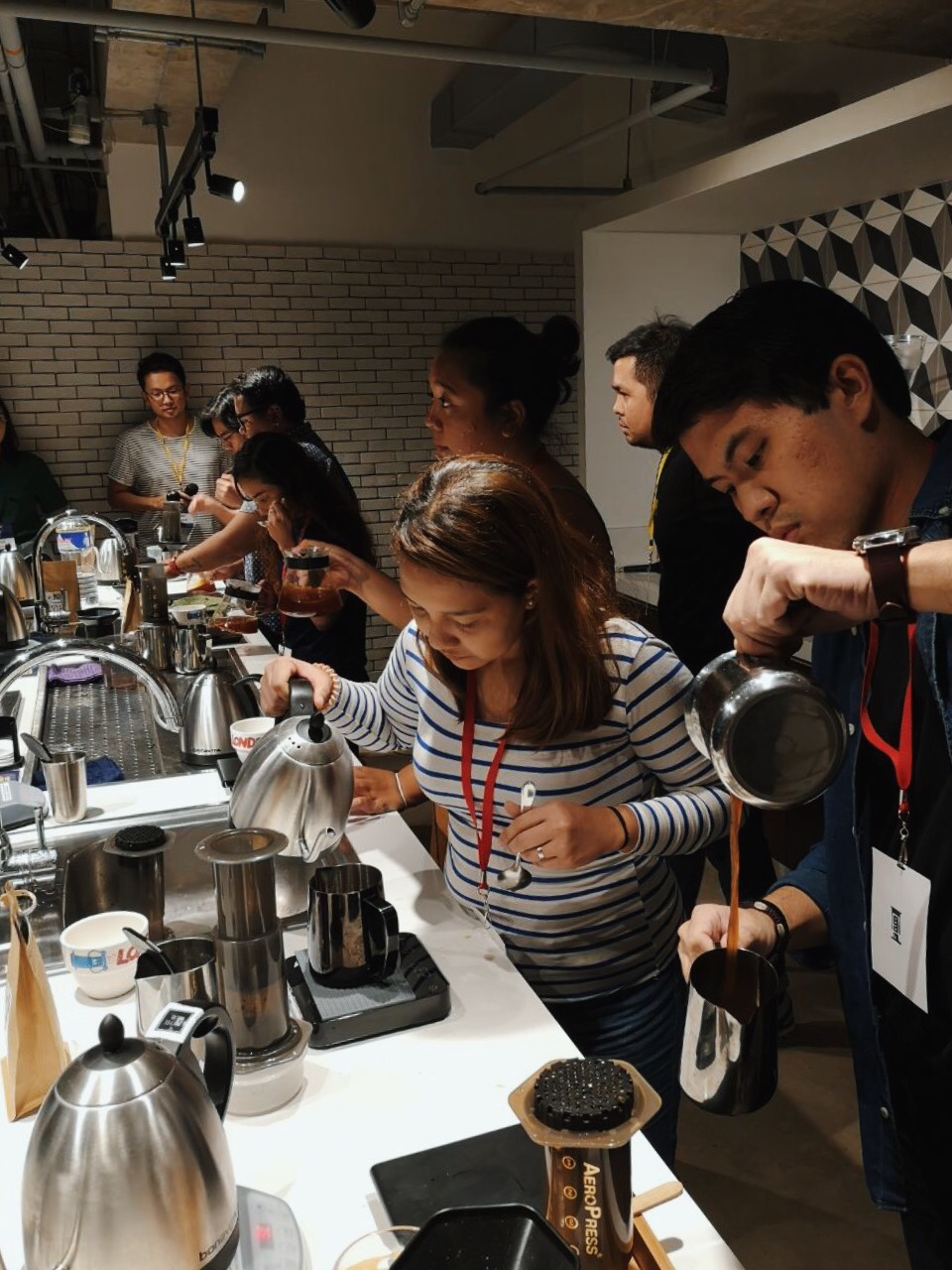
This year, Daily Drink Magazine’s base of operations, Honeycomb Manila had the honor of hosting the event as a preview into the new collaborative studios. Daily Drink had a free button pin making station and the space also hosted a new addition to the event, a pop-up tattoo studio.
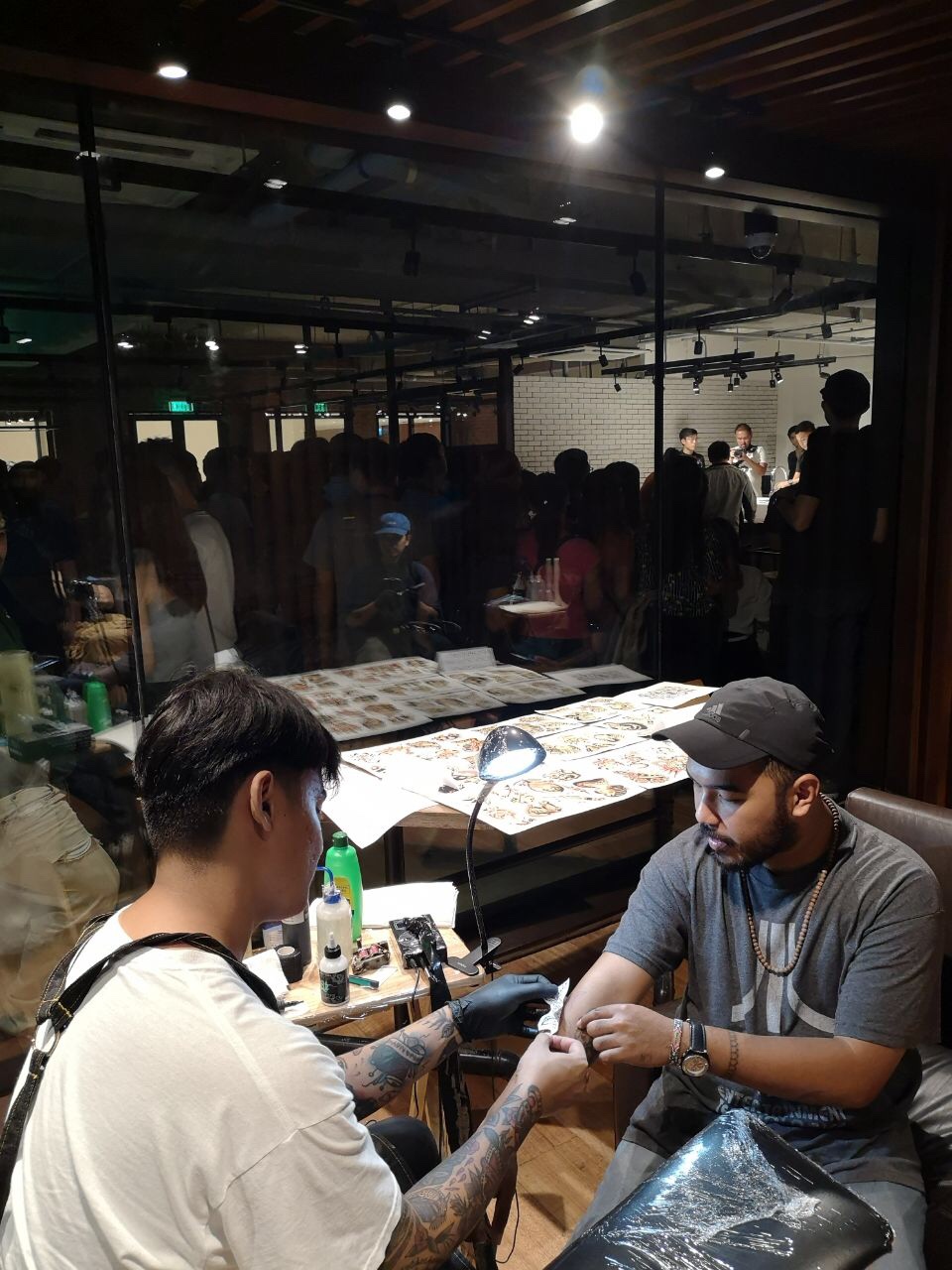
Here, baristas could get new ink expressing their love for coffee. We are happy to report that the day felt like one big party where people met to catch up with each other, brew great coffee, cheer on their friends, and in turn, we saw the community grow.
Classic cocktails with a Filipino twist. This is C-Lounge’s M.O. So let’s zero in on two of our faves. First is the Manggarita, which stands out not only for its dope name, but because it’s made with a chamomile-infused tequila and mixed with mango and pink guava nectar. Then they rim the glass with colored salt and top it off with a dried mango garnish. Mwah. Next up is the Sampaloc Mule, which is made with Sampaloc syrup, Limoncello-infused vodka, and ginger ale—adding very simple but effective kick to the traditional Moscow mule. C-Lounge does all their infusions in-house, which is why they have so many original spirits on the menu. There aren’t a lot of great options for an afternoon drink in the Philippines, but these guys are ahead of the crowd. And thankfully so, because their location up high in the Conrad Hotel offers great views of the iconic Manila Bay sunset. There isn’t a much better way to toast Philippine Independence Day than this.
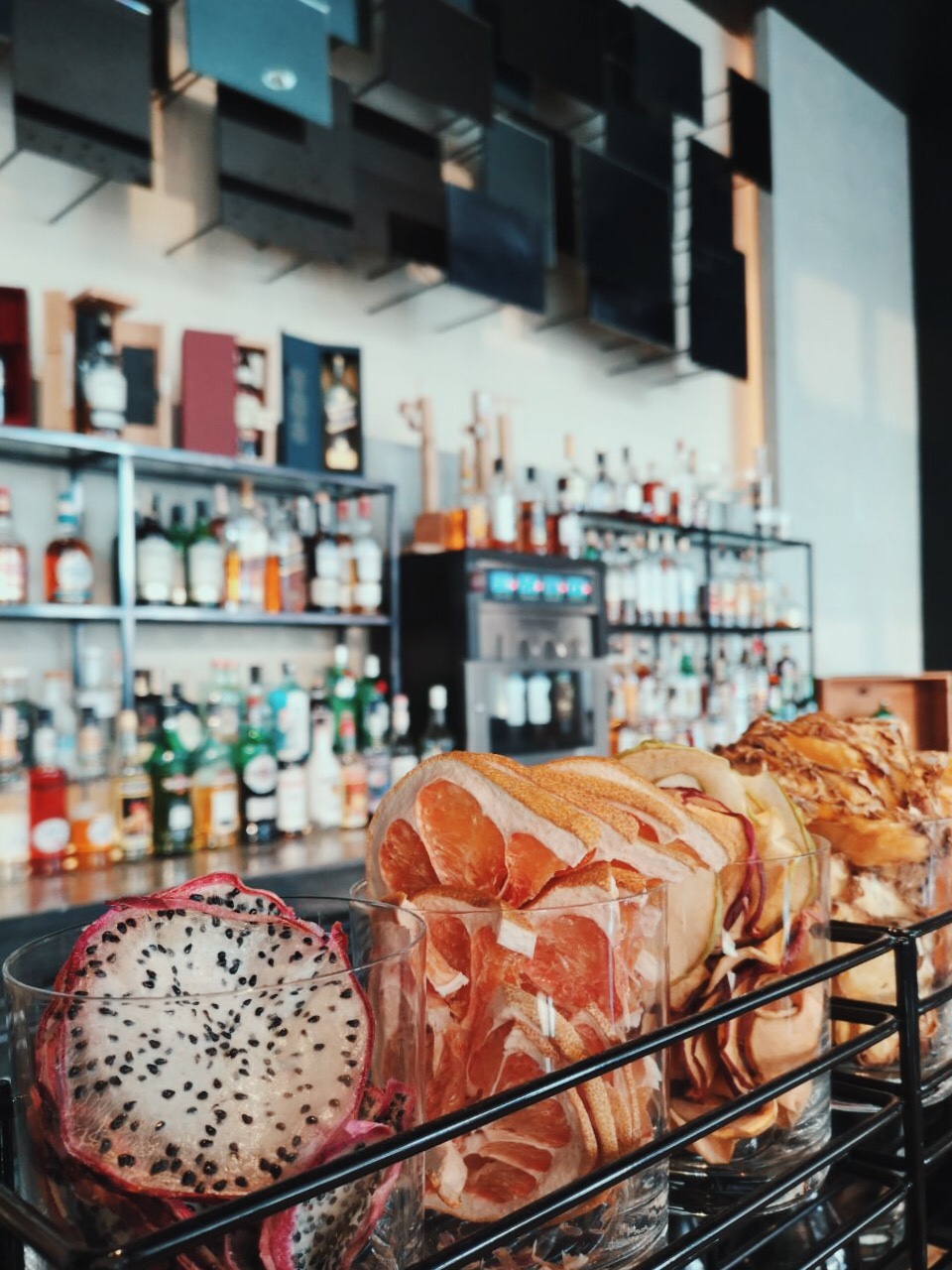
What impressed us most when we stumbled upon C-Lounge is how much they were doing themselves. From their cocktail recipes, to their syrup and alcohol infusions – it’s all made in-house. They also have locally sourced fruit garnishes that they opted to dehydrated themselves, like dehydrated dragon fruit, orange, and ginger. Even with traditional and standard cocktails, they prefer to use their own ingredients, which enables them to create more of their own flavors and allows them to achieve their goal of adding a more Filipino touch to their recipes. By doing this more often, it can also be a good way to enhance their skills in curating drinks and can also train their palate to taste better. Most bars rely heavily on pre-packaged ingredients, which more often than not, gives the bartender less chances to experiment with different flavors. C-Lounge is arguably one of the best places to find locally inspired cocktails.
If you’re willing to spend a bit more on your street tacos, CHINO—which was brought to the Philippines from Hong Kong—is worth the extra pesos. Their specialty is upscale Mexican street food mixed with a Japanese style of cooking, and it’s extremely easy to eat. You can pair their food with a wide selection of booze, so enjoy a couple mezcals or highballs and maybe try out their best-selling barbacoa tacos. It’s not just the food and drink that makes this place worth splurging though; it’s also the beautiful interior and their super friendly, informative staff. You can ask them anything about their menu. CHINO is certainly a fancy place but it’s still approachable and offers great service. You’ll feel right at home and comfortable enough to have a lengthy, laid-back conversation with your pals. The vibe here is the epitome of chill, so you can enjoy your stay without all the noise and the rush, unlike the Philippines’ usual crowded Mexican places.
Aha Saloon had the honor of ranking in Asia’s 50 Best Bars as a new entry for 2019. Trying to find a seat here, even as early as 8:30 p.m., is nearly impossible because this Taipei bar is usually packed with patrons already. Standing in a corner beside a little shelf where you can put down your drink is still fun, because the bartenders are attentive and serve up proper cocktails, no matter how busy. It’s a good example of not compromising quality for quantity. Their quickly growing reputation seems well deserved.
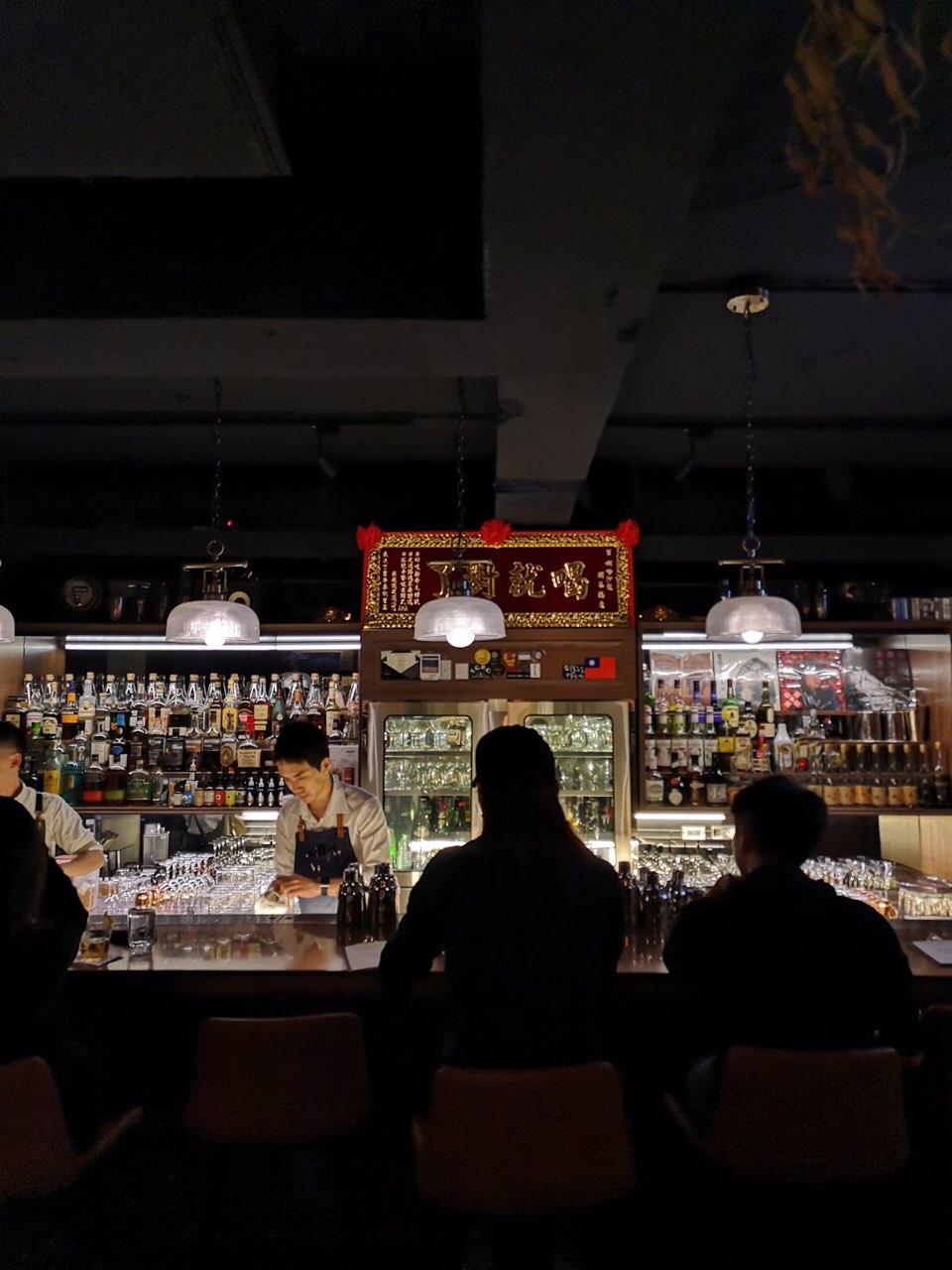
It’s a breath of fresh air in a sea of American-influenced bar interiors. Instead of your typical wood and prohibition era aesthetic, they instead focus on an Asian vibe that’s reflective of Taipei’s culture and its urban scene. The country’s flag is displayed proudly at the center, beneath a rich red and gold plaque, all surrounded by an industrially designed black bar. Turn your focus toward the seating area and the furniture all has a touch of Western influence, including bookshelves piled with cassette tapes, a pretty cool vinyl collection, and jars full of ingredients from around the world. There’s also a vintage style leather couch for mingling with new people. The saloon marries both Asian and Western cultures, while still respecting its roots by curating cocktails heavily inspired by asian ingredients and at the same time, they’re also able to show an eclectic self awareness.
Have you ever heard of coffee profiling? It’s a process that only specially-designed espresso machines can do. It basically means a barista can choose what flavor comes out of the beans, and it’s mostly achieved by controlling the water pressure flowing through the coffee and with changes in time. West Town’s Coffee in Manila, which just reopened, claims to have mastered coffee profiling with their La Cimbali (an Italian manufacturer) espresso machine, so we paid a visit to find out. Although there were hiccups when we visited, they were just getting back into the swing of things, which makes them pretty excusable. The Americano was a bit too hot to really enjoy, although when cooled down, notes of milk chocolate pop out, making it taste almost like a mocha even without milk or creamer. It’s surprising how much can be done with coffee without adding anything to it like sweeteners, cream, or even syrups. Just tweaking a couple of things during brewing can really bring out the complexity.