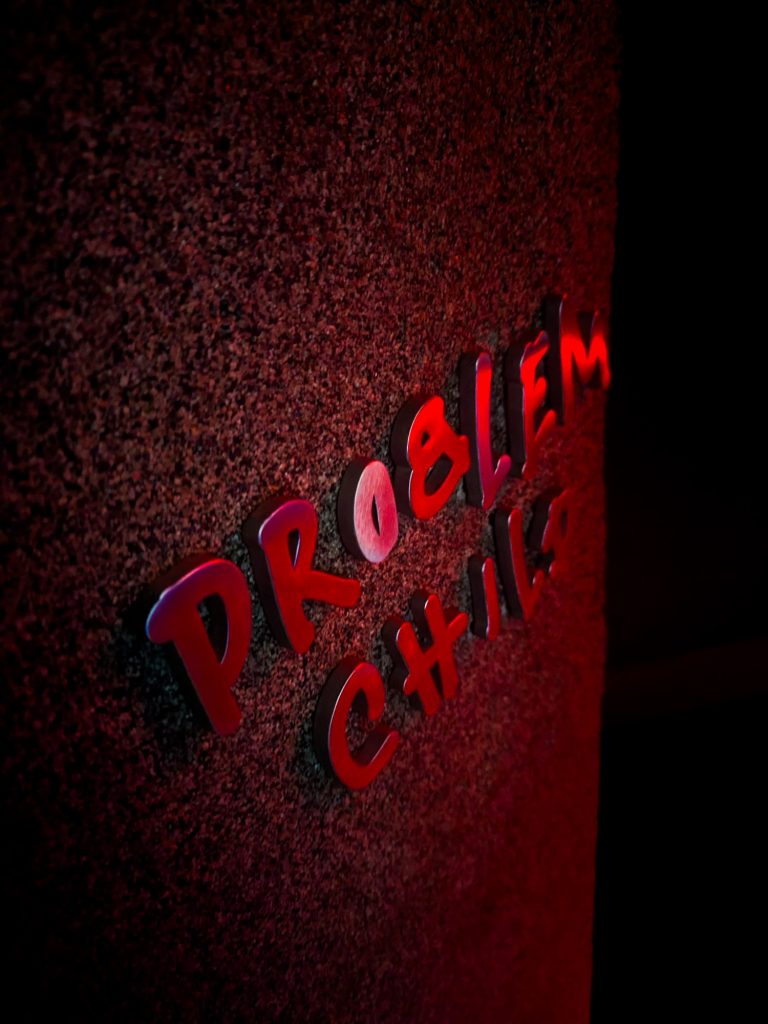
On paper, Problem Child feels like a return to a specific, formulaic well. It has the nondescript entrance, the missing signage, and a location situated at the far end of a dingy parking lot. It is a foundation laid around a decade ago, reminiscent of the “secret” bar tropes that defined the 2015–2020 era.
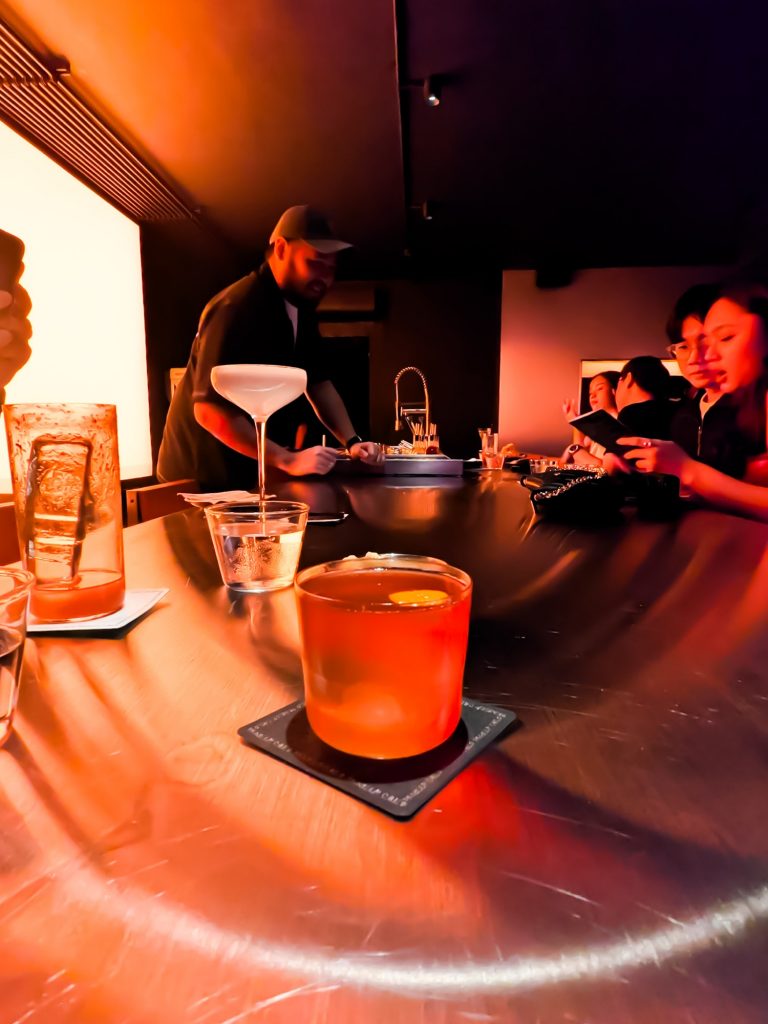
Yet, as we moved through 2025, Problem Child emerged as arguably the most important bar in Metro Manila. By leaning into that established foundation rather than trying to reinvent the architecture of a “hidden” bar, the team has freed themselves to focus on the things that actually matter: clarity of vision and an almost clinical precision in their menu and service.
The Illusion of Flavor
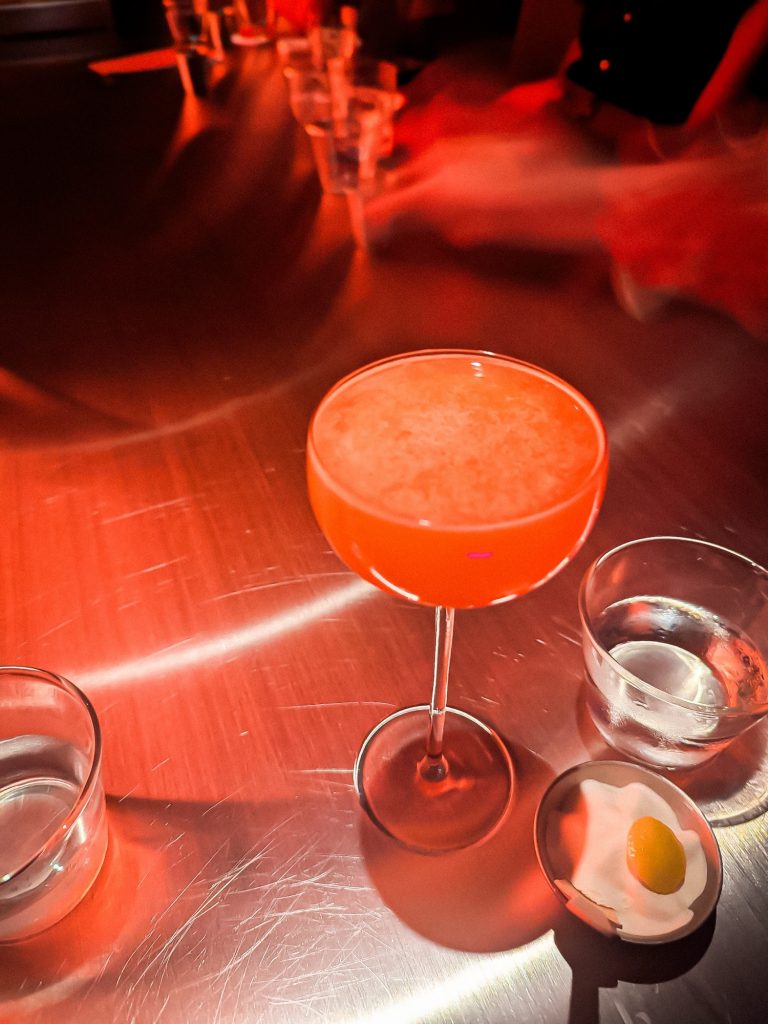
The current menu is a study in thematic discipline, built entirely around the color orange. It is a brilliant strategy that dictates every fruit, feeling, and idea served across the bar.
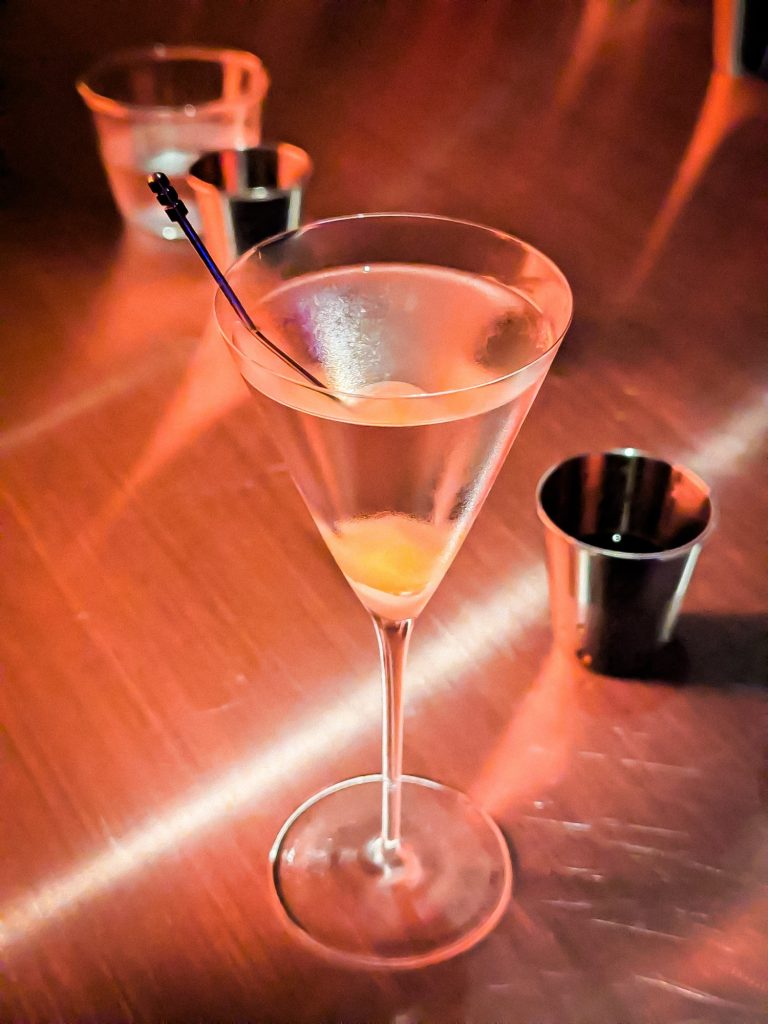
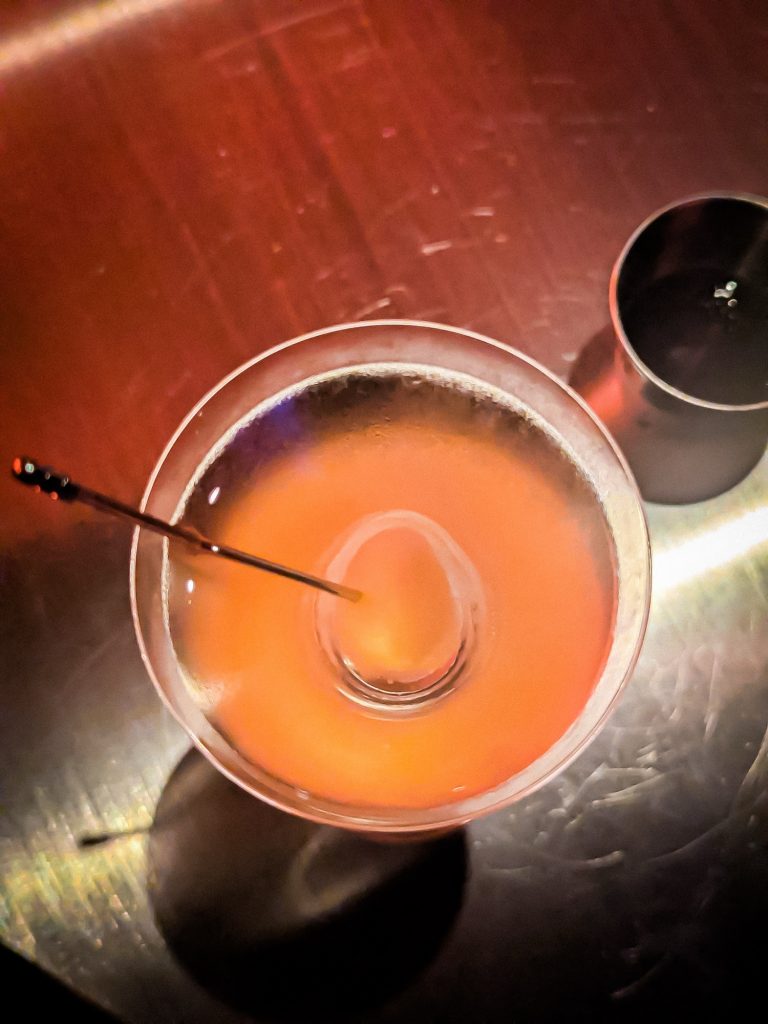
The standout is the Melon Martini, a drink that functions as a masterclass in flavor deception. There is no actual melon in the glass. Instead, it uses Tanqueray No. 10, aloe vera, and a precise balance of acids to trick the palate into perceiving a fruit that isn’t there.
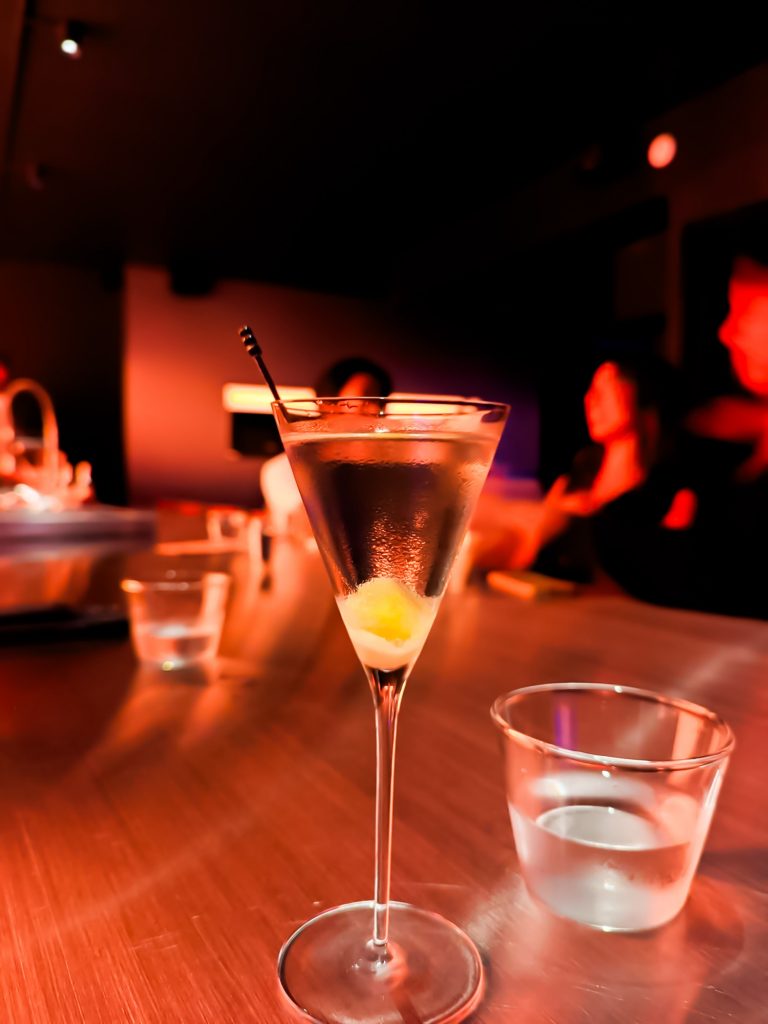
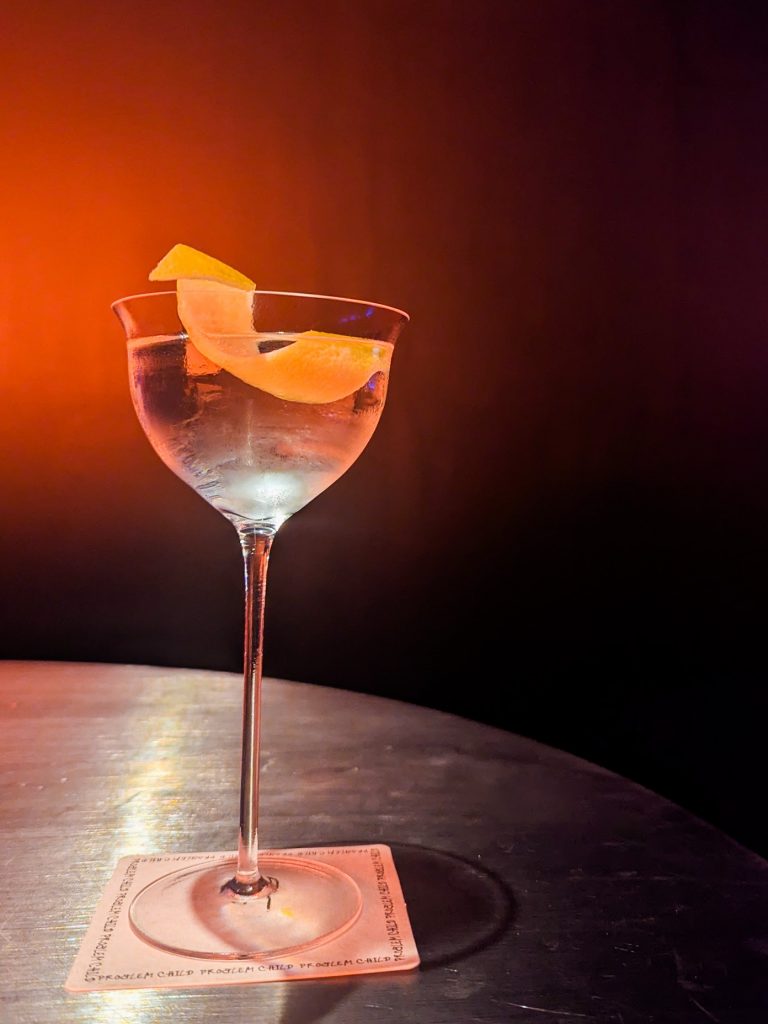
For those of us in the specialty coffee world, this concept is deeply familiar. It mirrors experimental fermentation where feeding a specific yeast a particular substrate results in an outcome that tastes like lemon or stone fruit. Seeing this molecular level of flavor design applied to cocktails is fascinating. It is mind-bending in its execution, but the result remains accessible and delicious. It manages to be serious without the weight of pretension.
The Vibe Dictated by Light
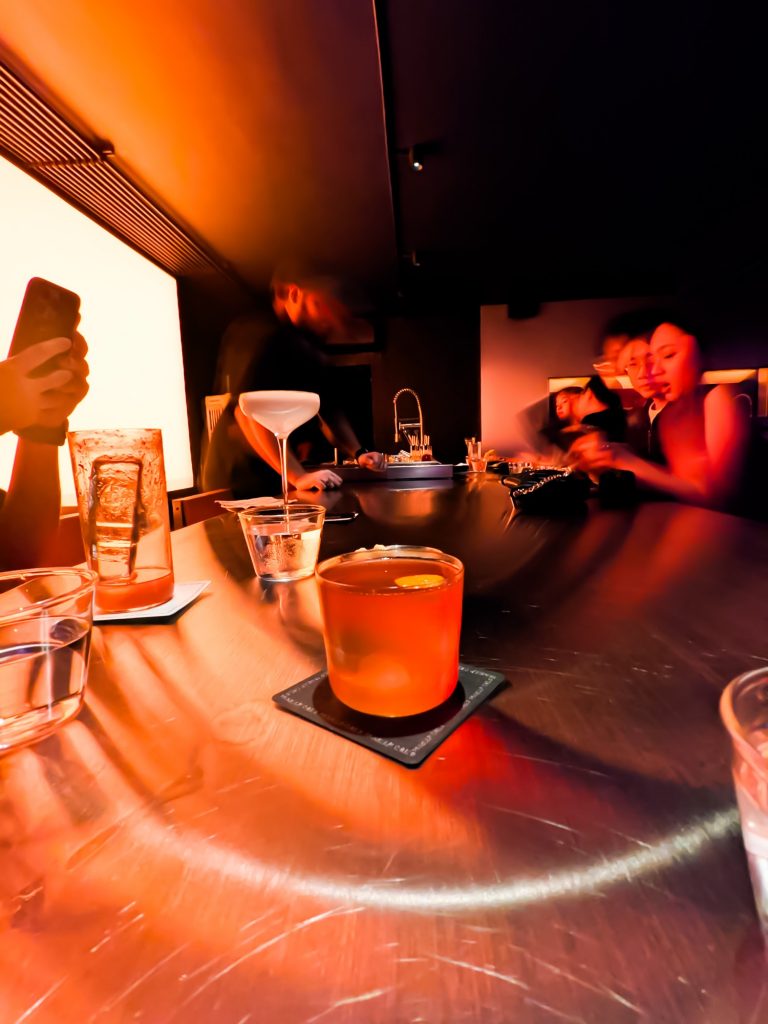
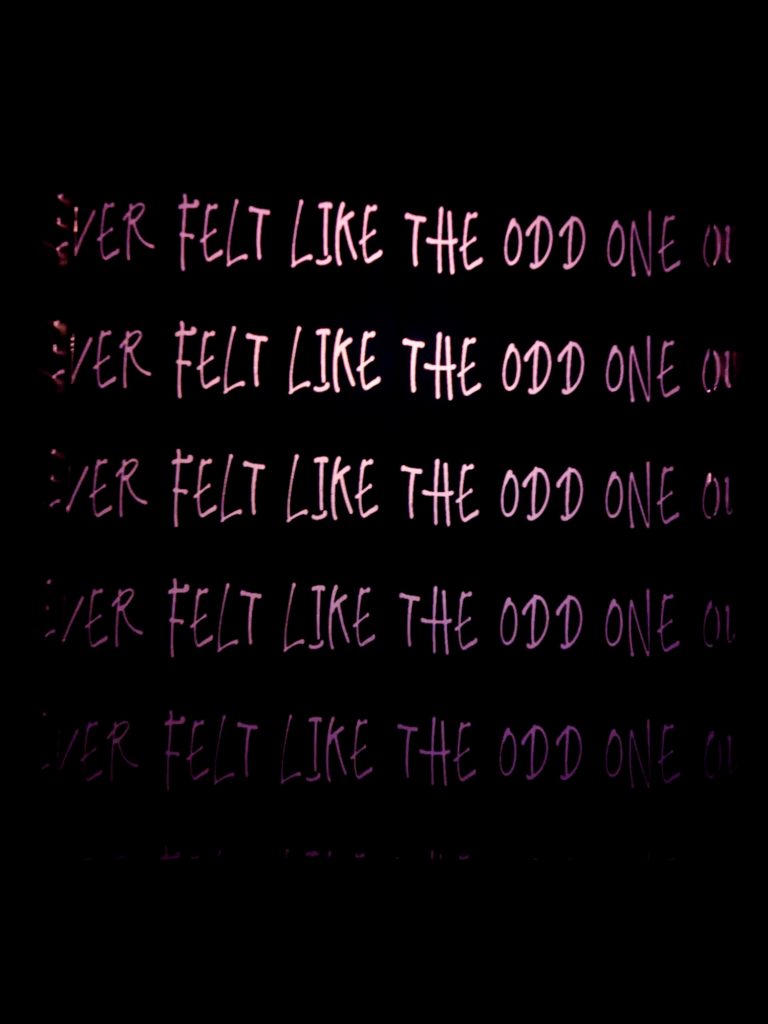
The physical and atmospheric anchor of the space is a massive light panel wall running along the back of the bar. It is more than just decor; it is a functional extension of the menu.
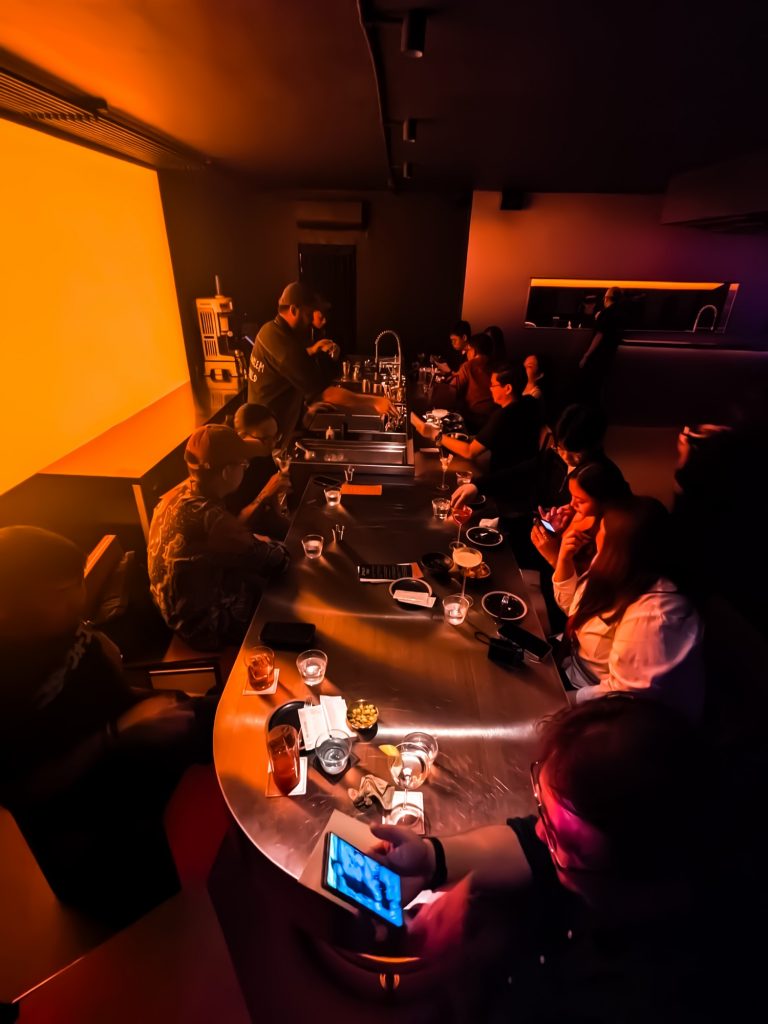
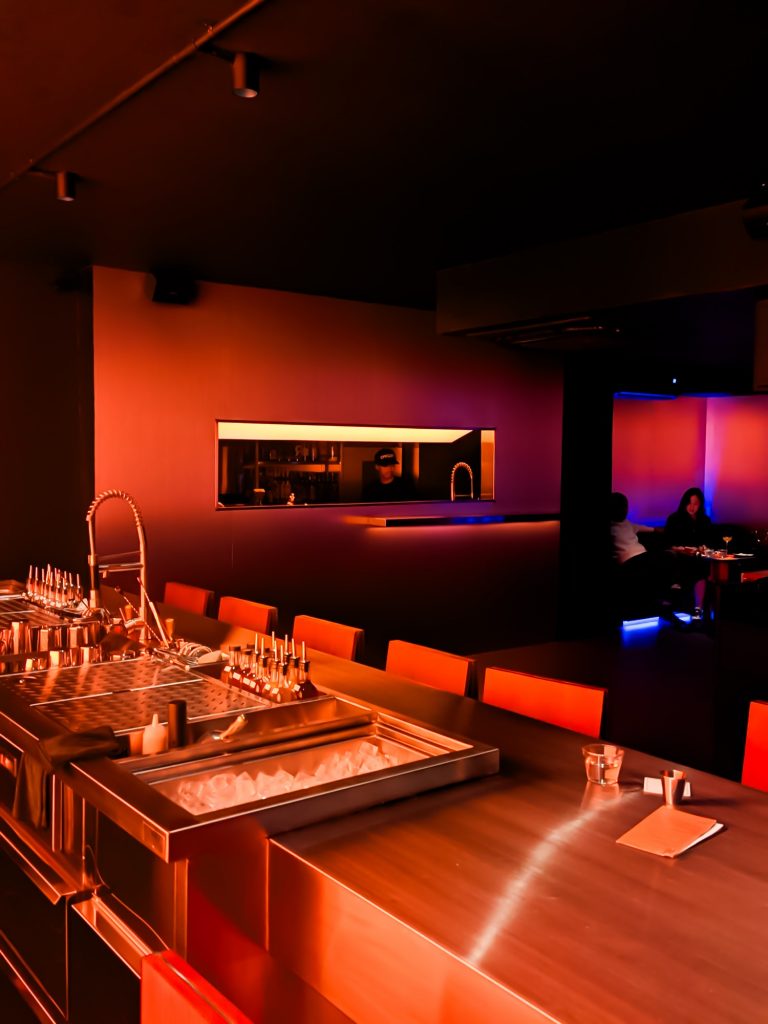
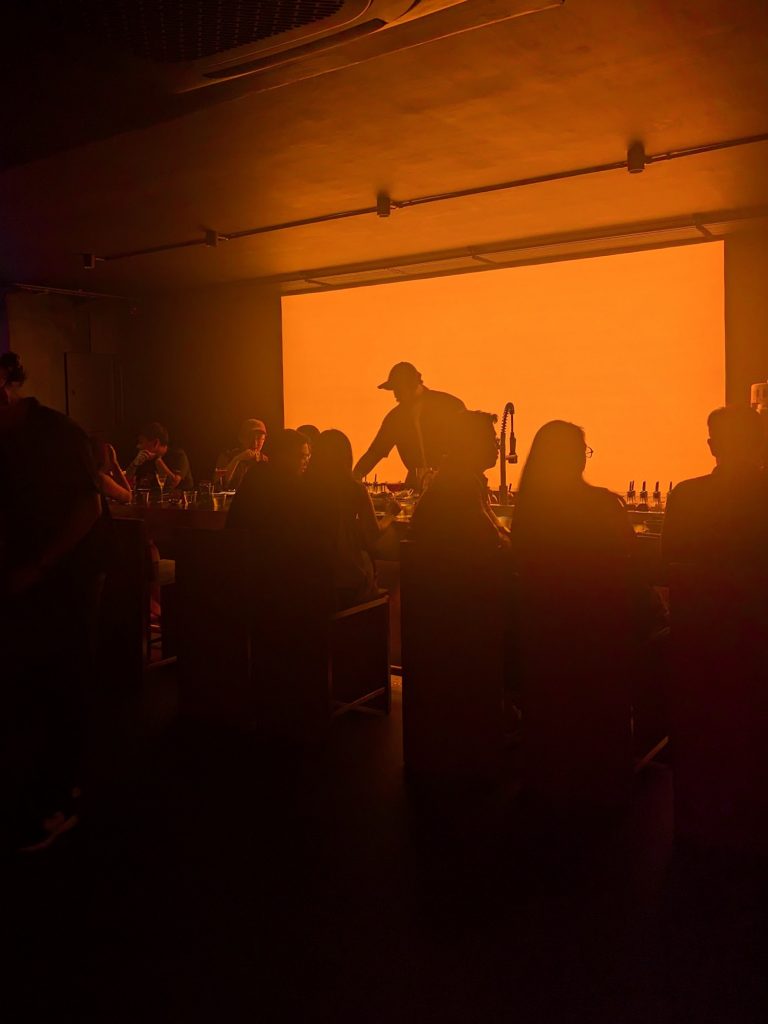
As the thematic colors shift, moving from orange to whatever follows, the lighting changes in tandem. The entire energy of the room is dictated by this one giant panel. It ensures that the vibe isn’t static. It develops and evolves alongside the liquid being served. You aren’t just sitting in a bar: you are sitting inside the current iteration of their creative vision.
A Grandmother’s Recipe in a High-Tech Space
While the drinks lean into modern chemistry, the food menu grounds the experience in heritage. We tried the siomai, which the bartender noted was based on his grandmother’s recipe, updated specifically for bar service.
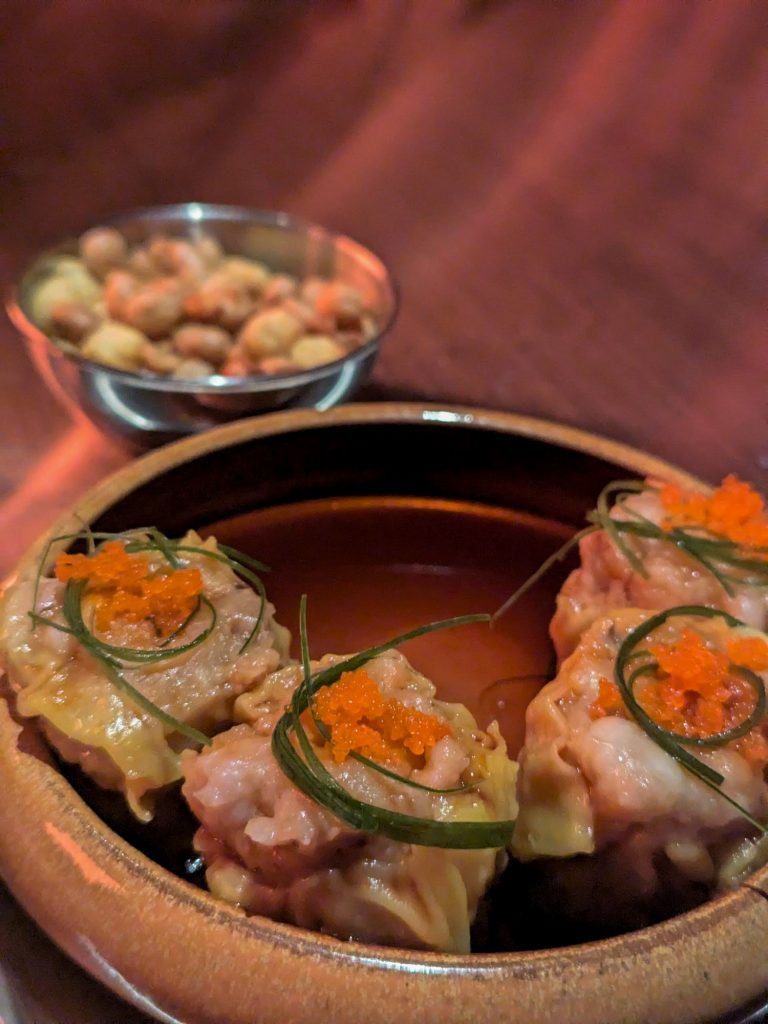
It is a clever, grounding move. By placing a family staple next to a high-concept cocktail, they’ve created a bridge between the clinical precision of the bar and a sense of nostalgic comfort.
The Community Component
Beyond the technical “illusions” and the precise lighting, there is a human element at play here that is often harder to manufacture. A bar becomes special only when its excellence in craft is matched by the community it attracts. Problem Child seems to have begun fiddling with the keys to this lock, and they are beginning to crack the code.
Because they have been so deliberate in casting their vision, they have managed to draw in a crowd that matches that same energy. It isn’t just a destination for cocktail geeks chasing a technical high; it has become a clubhouse for a specific Manila creative class. The resulting vibe and atmosphere feel earned rather than forced. It is a reminder that while the drink might get someone through the door, the community is what keeps the space alive.
A Fresh New Light
Problem Child proves that you don’t need to break boundaries for the sake of being “new.” By building on a familiar foundation, they have been able to pour their energy into being remarkably precise. They are casting a vision that is highly focused, technically sound, and socially resonant, making them a vital anchor in the Makati scene. It is a “problem child” in the best way possible: disciplined, smart, and entirely necessary as we enter 2026.