There’s a lot about specialty coffee that can be confusing. It takes an understanding of different tools, origins, and the identity of flavor notes. What we like about Klasik Coffee is that the baristas are super open and friendly, offering a deeper relationship with the cafe. For them, it isn’t just about serving a cup of coffee. It’s about helping us to understand the preparation process, where the coffees come from, and ultimately why they taste so good; that final point being a key detail too often left out.
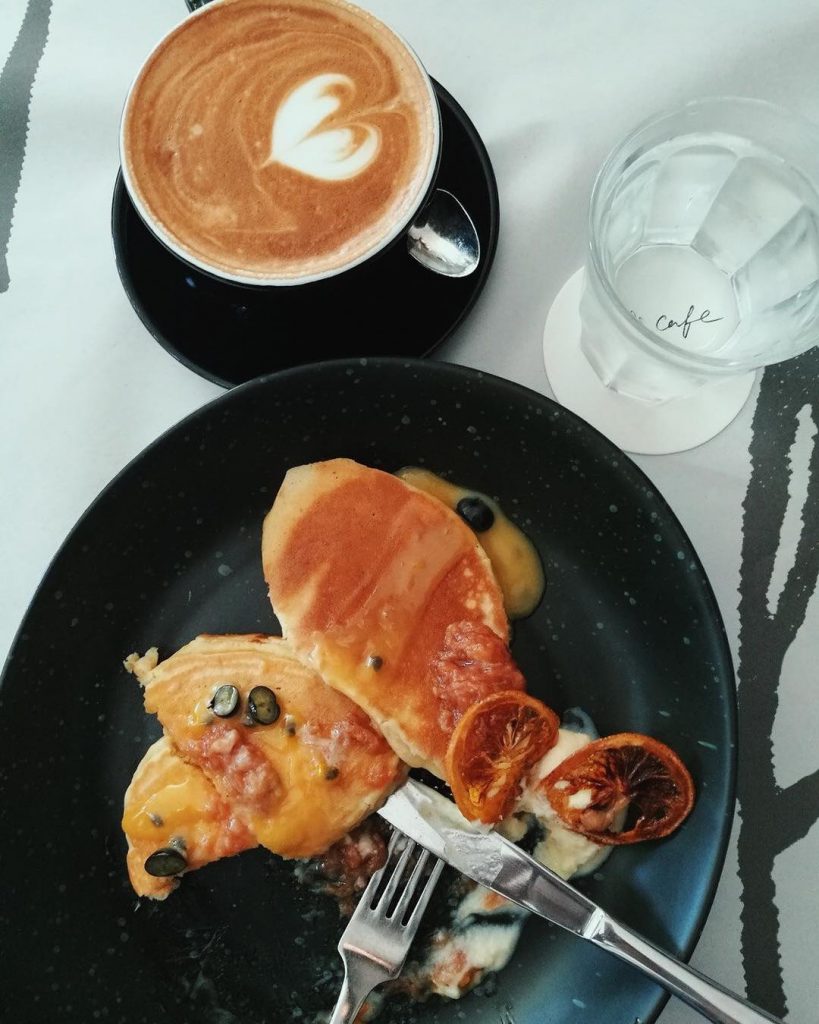
Must visit brunch place in Singapore! PS Cafe’s buttermilk pancake pairing with their latte makes for a great brunch. While it is not explicitly a specialty cafe, the coffees are of high enough quality. Truth be told, the magic of PS cafe is in the holistic experience; the service, the quality of the food, and the beautiful location that they have. You’ll actually be hard pressed to get a table during their morning service especially in this particular location, right next door to the Singapore botanical gardens. Make sure you come in early!
This place is popular for many reasons, not the least of which is their architecture. Floor-to-ceiling windows on three sides welcome nature into the space. Light streams in from all sides and plants grow all around, creating a great atmosphere and relaxing vibe that cultivates good conversations.
Fong Da Coffee is the OG of single-origin coffee shops in Taiwan. Established in Taipei in the ’50s, it’s been around nearly forever and is full of a very classic and old school charm. They use vintage equipment like a siphon to prepare coffee, but also have a Linea PB espresso machine. Fong Da makes great, traditional coffee with no bells or whistles. It may not technically be specialty coffee, but it’s definitely special.
Though we found notes of jackfruit and a very floral jasmine tea aroma, the in-your-face flavor is the unmistakable flavor of a slightly watery Baguio strawberry — contrary to what the majority of Filipinos associate their coffee with, even those who have tasted specialty coffees grown here. TGC treated us to their rotovap engineered milk for this latte, a very sweet milk to juxtapose with such a funky coffee.
We sat down with the Philippine Barista Champion, Michael Harris Conlin to understand his journey leading up to the World Barista Championship (WBC), which happened on April ____, 2019. Michael told us that he was the first world barista competitor to include wild coffee foraged in the Philippines in his signature drink.
He discovered this forest-grown coffee during a relief operation for the mining community affected by a typhoon that hit the municipality of Itogon in the province of Benguet in 2018 – the mayor approached him and mentioned that they were planning to ban small scale mining and push for coffee farming instead because there was an increasing number of landslides and acres of untouched coffee in their area. Michael hopped onto the idea and started working closely with the farmers of Itogon, Benguet. After several experiments with it, he decided to include it as a supporting ingredient in his signature drink which landed him in the semi-final category of the WBC.
This was a very impressive cup both in terms of its taste, how it was discovered, and ultimately processed. Honestly, the origin of Itogon is one of the best Philippine grown coffee we’ve ever tried.
Fans of Cartel Coffee Deli, rejoice. What started as a single deli with a coffee bar in Salcedo Village now has a second location. Just across a main strip in Makati, this new Legaspi Village branch features a slightly different menu and vibe, but should still appeal to longtime customers. Salcedo is full of rough, unfinished surfaces and painted in orange and black, while Legaspi is purple and white with smooth wood finishing. Yardstick Coffee will continue to handle the coffee bar duties, and they still carry high end, specialty groceries—so you can be sure to expect the same standards of quality at both.
Tucked away on a quiet Taipei side street is this beautiful cafe with a very simple concept: we serve coffee. No bells or whistles and barely a chair to be found, the barista and owner made very consistently delicious drinks in either their La Marzocco Linea or via hand-brewed pour overs. We ordered a few coffees here.
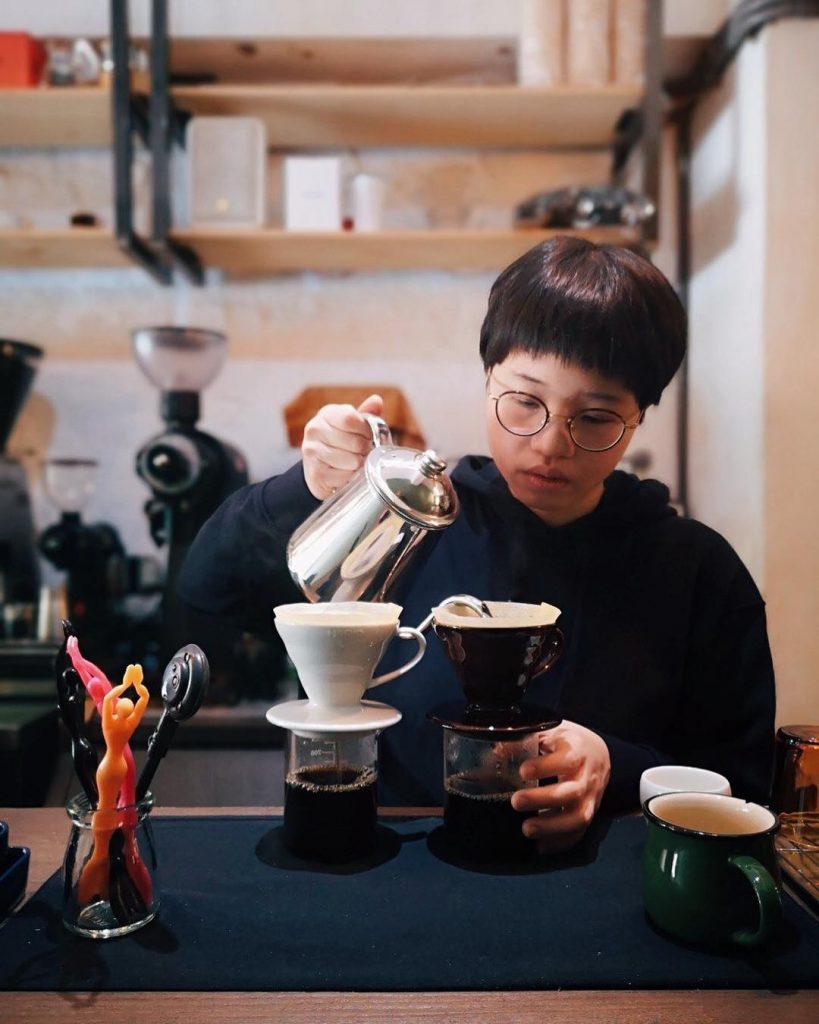
The barista was a friendly young woman who appeared to be the shop owner as well, and she did something that piqued our interest: she didn’t use a scale. Most specialty coffee shops use a scale to measure coffee and water dosage, and we thought this to be odd. So we asked her why she did it this way and she actually thought it was funny!
“I’m gonna make 40 more of these pour-overs this afternoon. This exact coffee, this exact weight. I know what it’s supposed to look like, how it’s suppose to feel, and how it’s going to taste.”
And surprisingly, she was right! We stood at the bar (there are no seats at the bar) as she served pour over after pour over. She was able to dial in that efficiency and consistency on a cup to cup basis without having to use a scale. It’s somewhat a testament to her skill as a barista. There are definitely benefits to using instruments but there are also benefits to not using tools as a crutch and knowing your craft by heart.
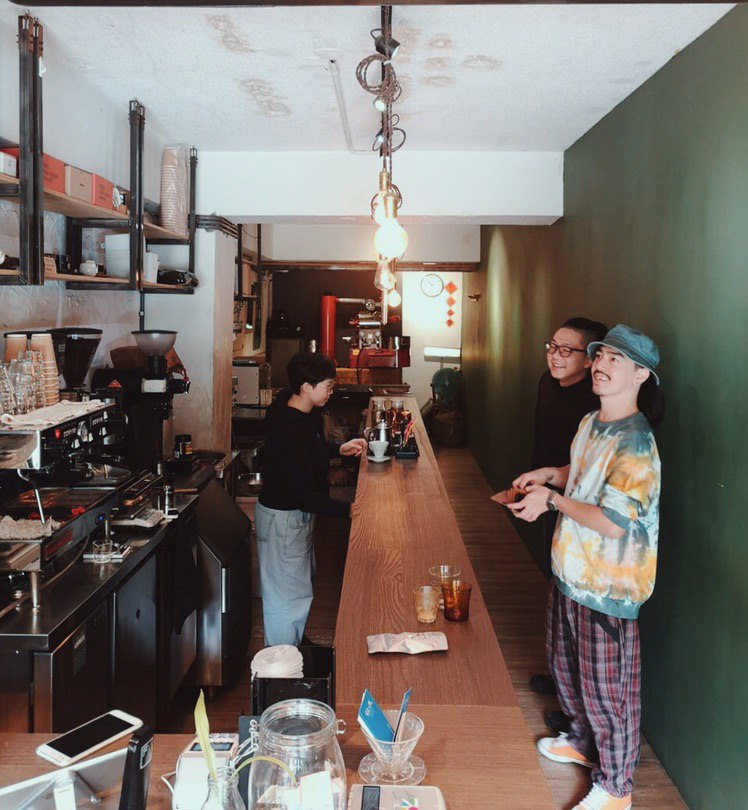
Keep things simple. That’s the overall vibe of Coffee Stand Up. They do away with everything unnecessary and focus their concise menu. They even dispense with seating, hence the name. Coffee Stand Up avoids gimmicks and extravagance, spending their time and money where it counts—the coffee—and that’s why people come here.
Tip of the spear for specialty coffee in Hanoi, we chanced upon Gau Coffee almost immediately after arriving in the Old Quarter. We almost missed it, but shot a double take when we saw the La Marzocco Linea MP and collection of metal V60 cones. Right in the heart of the old quarter was this fantastic little roaster, bakery, and cafe run by champion barista, Sang, who had moved up from HCMC to spearhead the concept. It’s an effort to grow the high-end coffee scene in a traditional style coffee-saturated Hanoi.
Sang himself says that the shop serves “premium coffees,” but is hesitant to refer to his own shop as Specialty Coffee. “Specialty Coffee is hard to achieve” he said, though the espresso itself was a better pulled shot than many others this writer has personally had in places claiming to be “Specialty Coffee.” I think that this form of healthy dissatisfaction will drive this shop for years to come.
The coffees we had were from their house blend that used honey processed coffees from Ethiopia, Panama, and their own farm in Vietnam. The blend was balanced and with fruit-like sweetness.
People come here for indulgence. Maison Marou is the foremost single origin chocolate company from Vietnam. Incredible both in terms of the flavor and the ability to tell a story with design and style. When you come to Marou, you’re tasting chocolate in everything – but you never feel like it’s one-dimensional.
They focus on highlighting the taste of different chocolate origins and they are able to incorporate different flavor notes throughout the products they have, be it a dessert or a drink – even with champagne and craft beer. Try their hot chocolate and experience it for yourself.
A tiny coffee joint in an unlikely and hidden spot. Great specialty coffee shops in the Philippines started like this, building up their dream little by little, starting with only a small counter, and owners with dreams: El Union, Habitual, The Curator — they all started this way. Hoping to join in on that familiar origin story is Kapitolyo’s Common Grounds Coffee. It is still in the early stages of their coffee journey and we give them a nod at the effort they’re putting in to serve coffee at a day to day basis at their little spot inside a healthcare institute in Pasig. They still have a ways to go to in terms of becoming a great cafe, a road that can take months or even years. We wish them all the luck they need in that journey!
How do you feel about oat milk? It’s an interesting push made by Minor Figures that seems to be finding a lot of success. This company brews their coffee in East London and finds its way all around the world. We found this particular cooler of nitro cold brew cans on display at a street culture event in Singapore.
It was a pleasant surprise but also a reminder that as great specialty coffees find themselves in more easy to consume package forms, it opens up a new world of possibilities of where it can be served and enjoyed. Along with that, the fact that it’s using oat milk adds to the stability and drinkability of Minor Figures pretty much anywhere, especially since this is a lactose-free option.