It has been almost a year since I drank that latte, and in that time I have not had a better one. To put that in perspective, I have traveled through seven countries since then, drinking coffee in over a dozen cities, often seeking out cafés known for precision and ambition. I even attended the World Brewers Cup Championship at World of Coffee in Jakarta, surrounded by some of the most technically accomplished coffee in the world. All of it was excellent. None of it quite moved the goalposts the way this latte did.
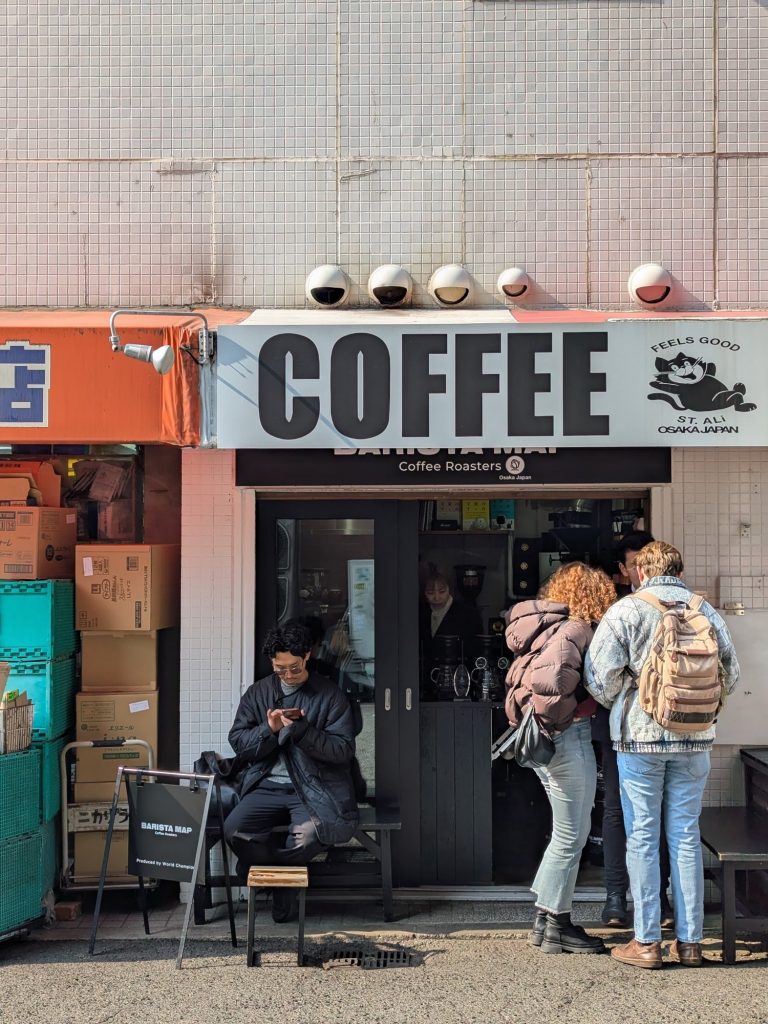
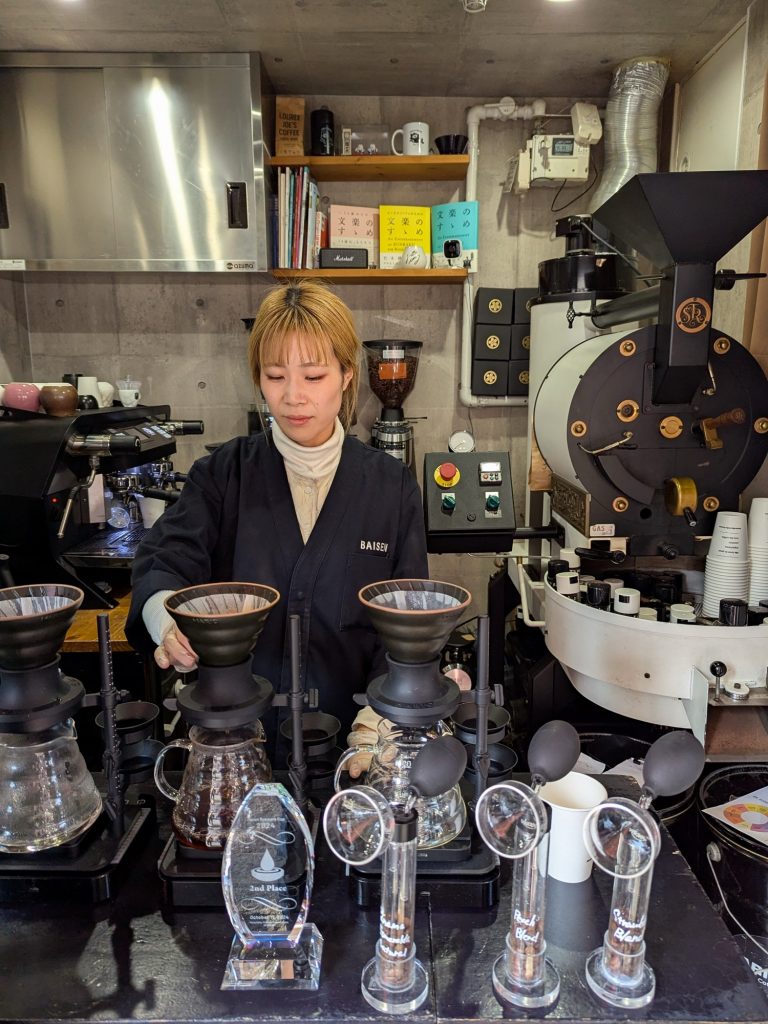
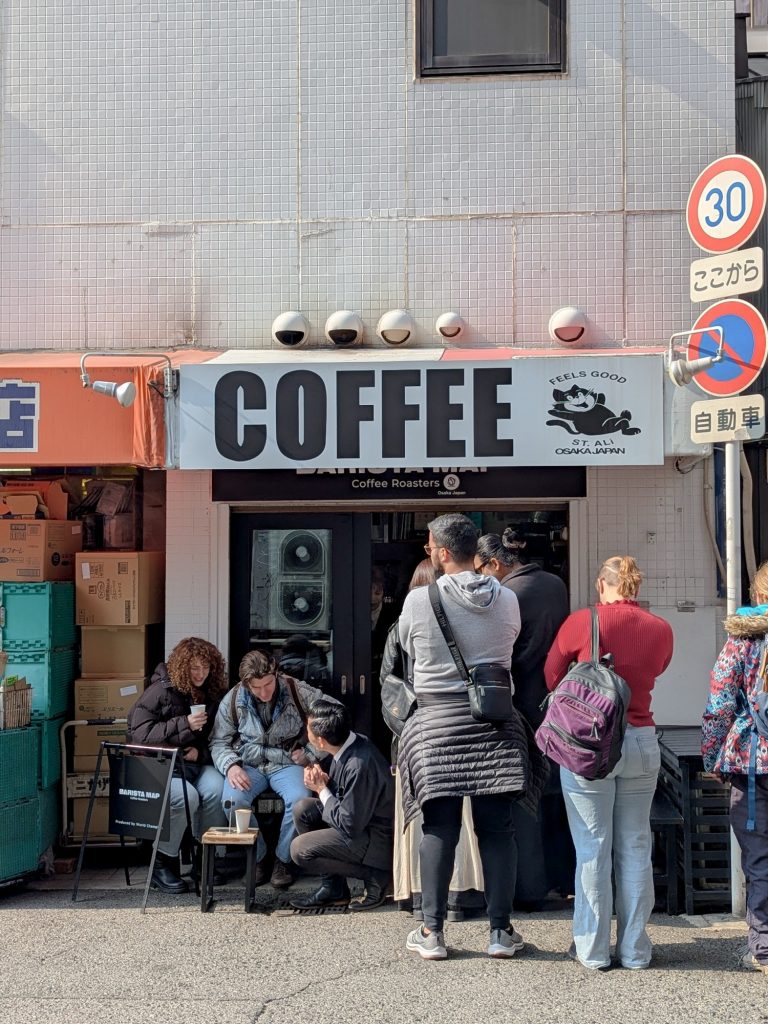
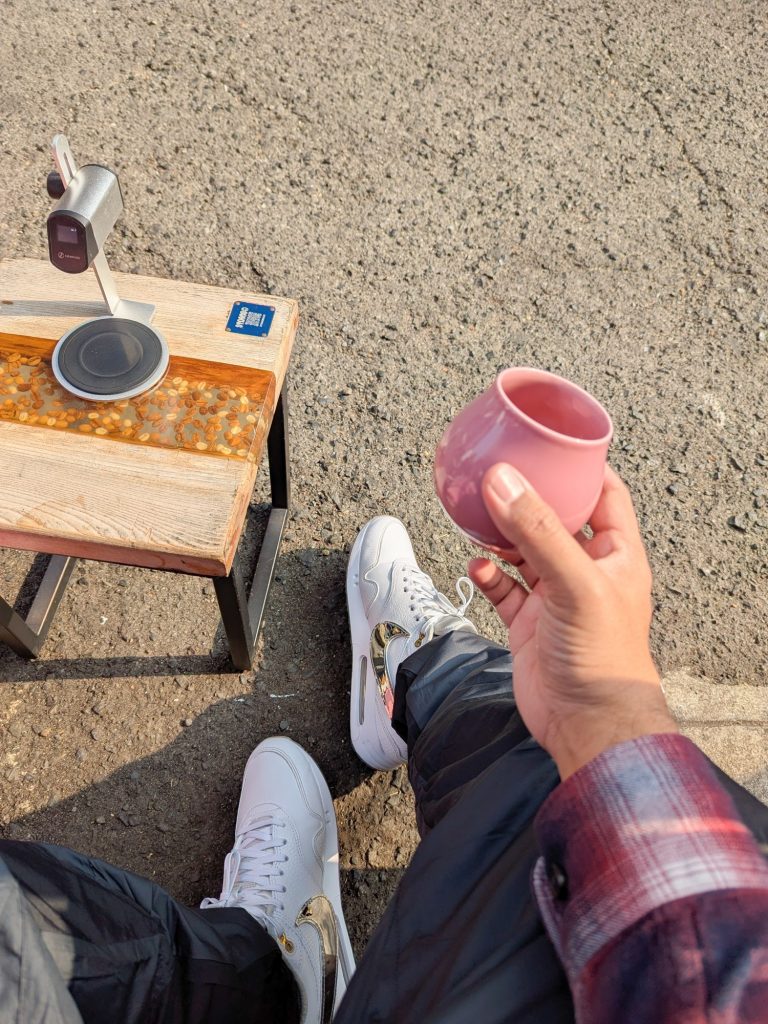
Barista Map itself is modest in scale and generous in spirit. It is essentially a small stand that opens directly onto the street. Seating spills out onto the curb, and that is where we sat, bundled against the winter cold. The setup felt deeply Asian in spirit, closer to eating soup or sandwiches on a sidewalk in Vietnam than to the hushed interiors often associated with Japanese coffee. Inside there is room only for the essentials. A roaster, espresso machine, grinders, and pour over cones. The barista works within the narrow space while a host moves among the guests outside, welcoming people and explaining the concept throughout the day.
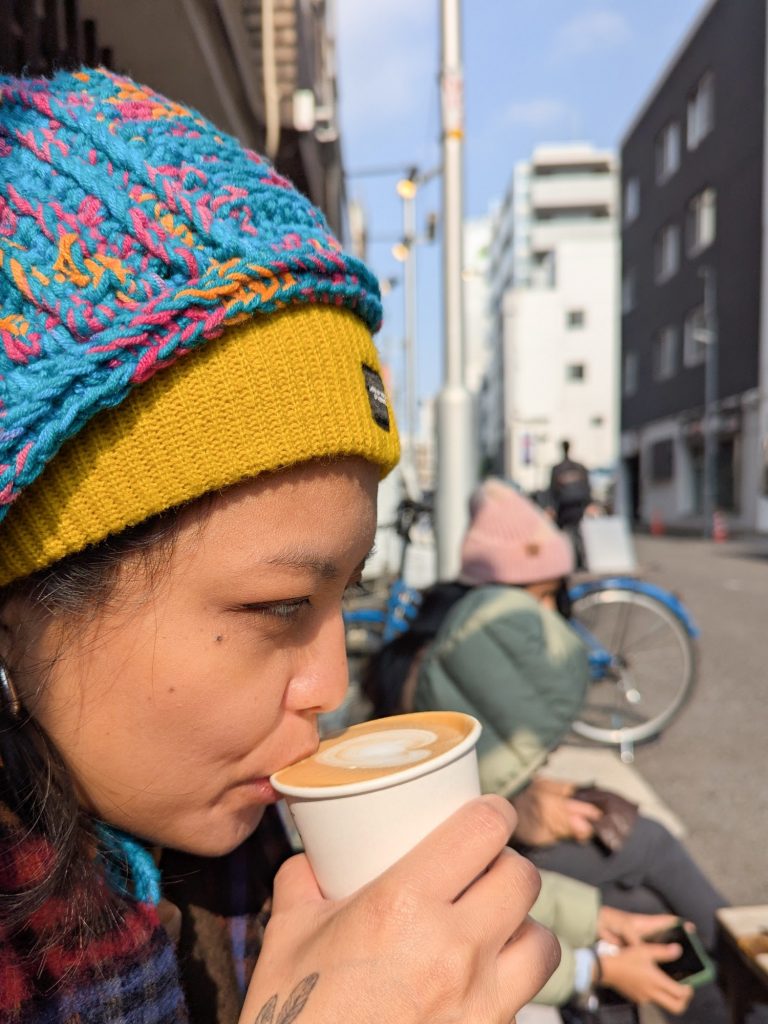
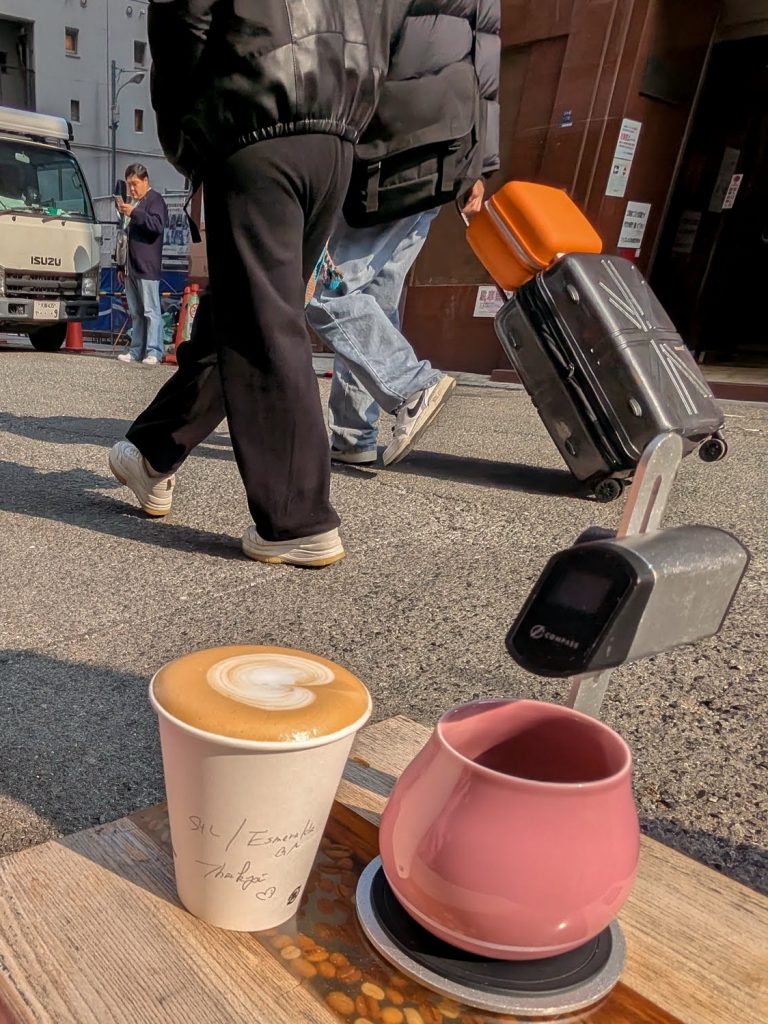
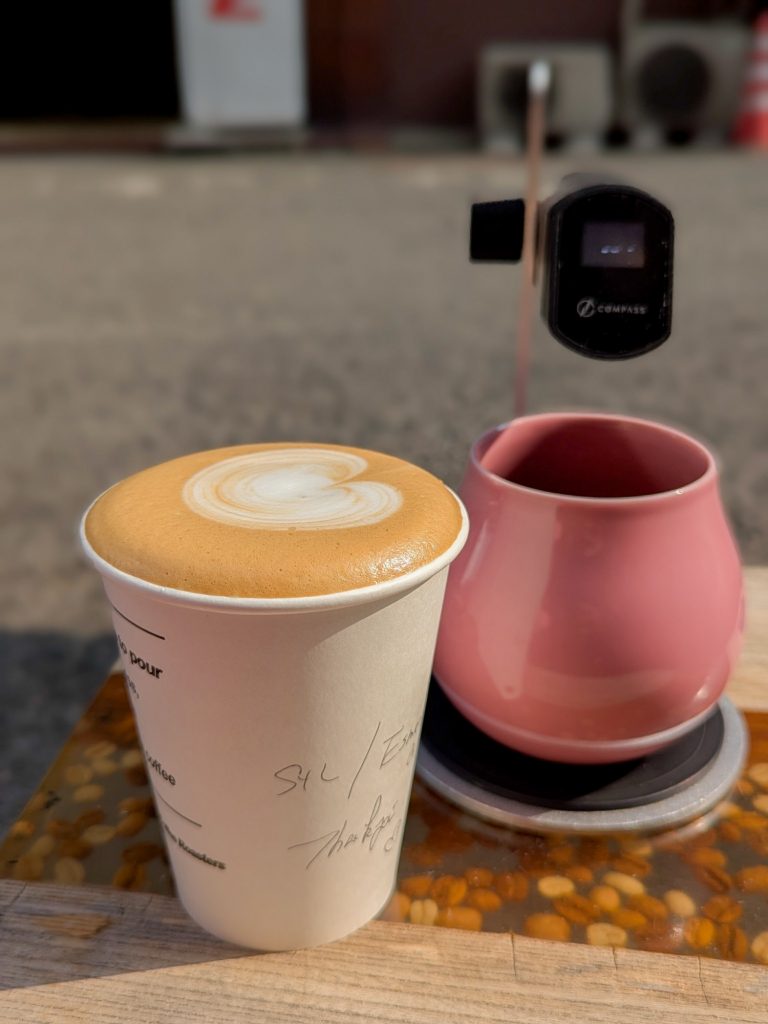
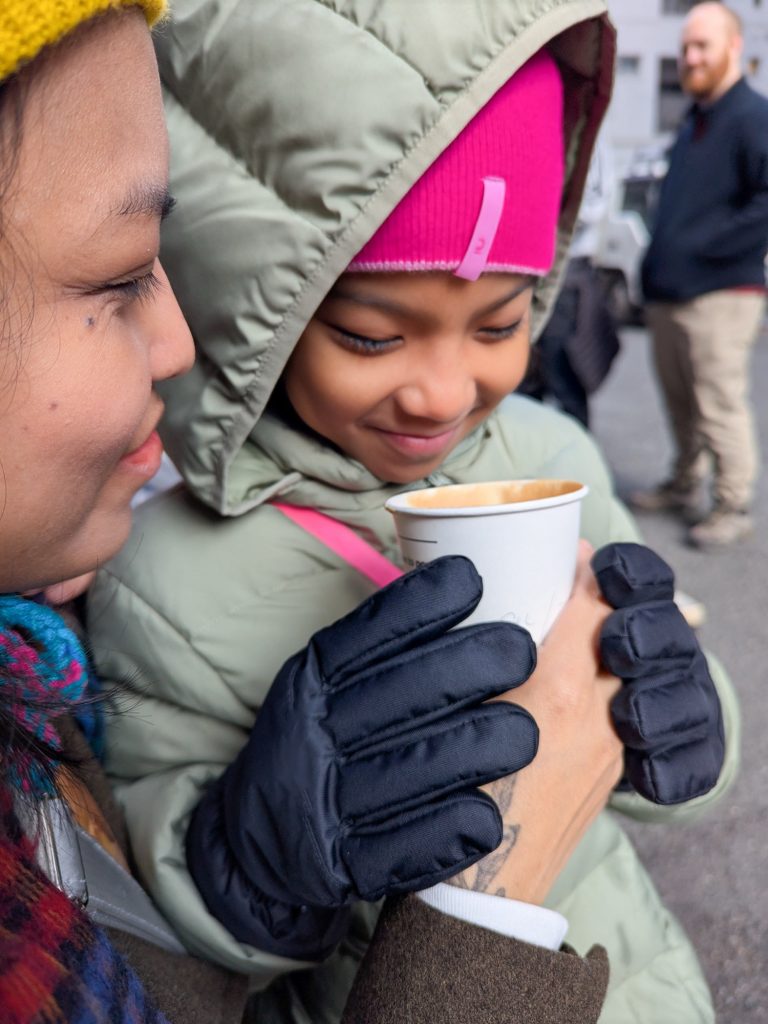
The latte itself was built on Barista Map’s strawberry blend espresso. When I asked what went into the blend, they declined to say. This runs counter to much of specialty coffee’s usual transparency, but I trusted them. That trust was rewarded immediately. The espresso tasted unmistakably of strawberries, bright and vivid, with acidity high enough to push the milk to its limit. The steamed Japanese milk did not curdle, but it hovered right at the edge, transforming the texture into something dense and almost cultured. The result was intensely clear, like a strawberry yogurt or shake, yet still unmistakably coffee. Fresh red fruit came through cleanly, without heaviness or artificial sweetness. So sweet and palatable, that I even had my daughters taste and enjoy it.
What made the drink so convincing was how it spoke to Barista Map’s approach as a whole. Bean selection, roast profiling, and extraction were all tuned to reveal nuance rather than soften or disguise it. The latte connected the dots in a way that felt almost educational without ever trying to teach. Coffee is a fruit, and this drink made that fact impossible to ignore.
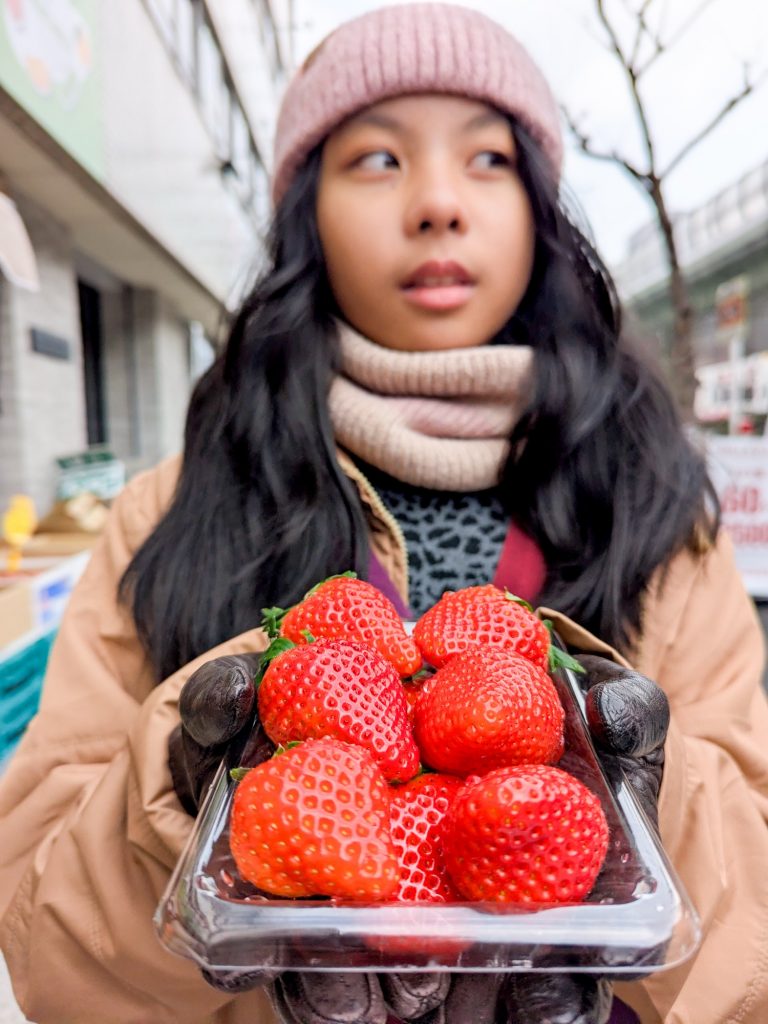
Minutes later, walking down the street with my kids, we passed a fruit stand stacked with perfect Japanese strawberries. We bought a pack and ate them right there on the sidewalk. Tasting them back to back with the memory of that latte sharpened everything. The flavors aligned. The coffee had captured something real.
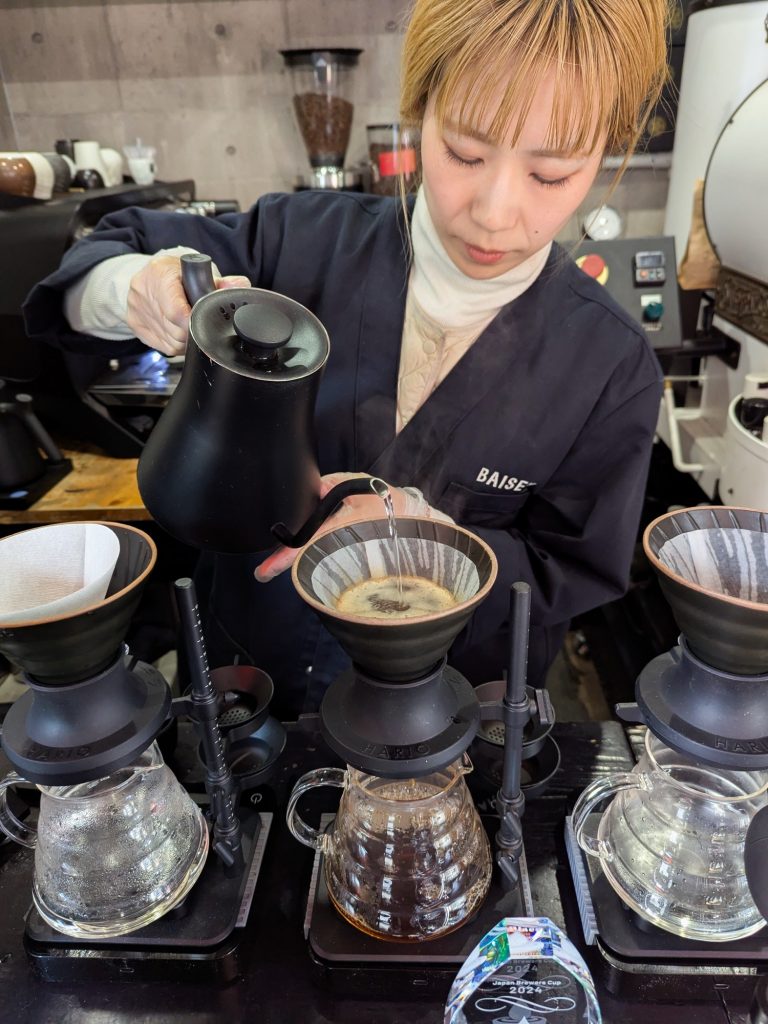
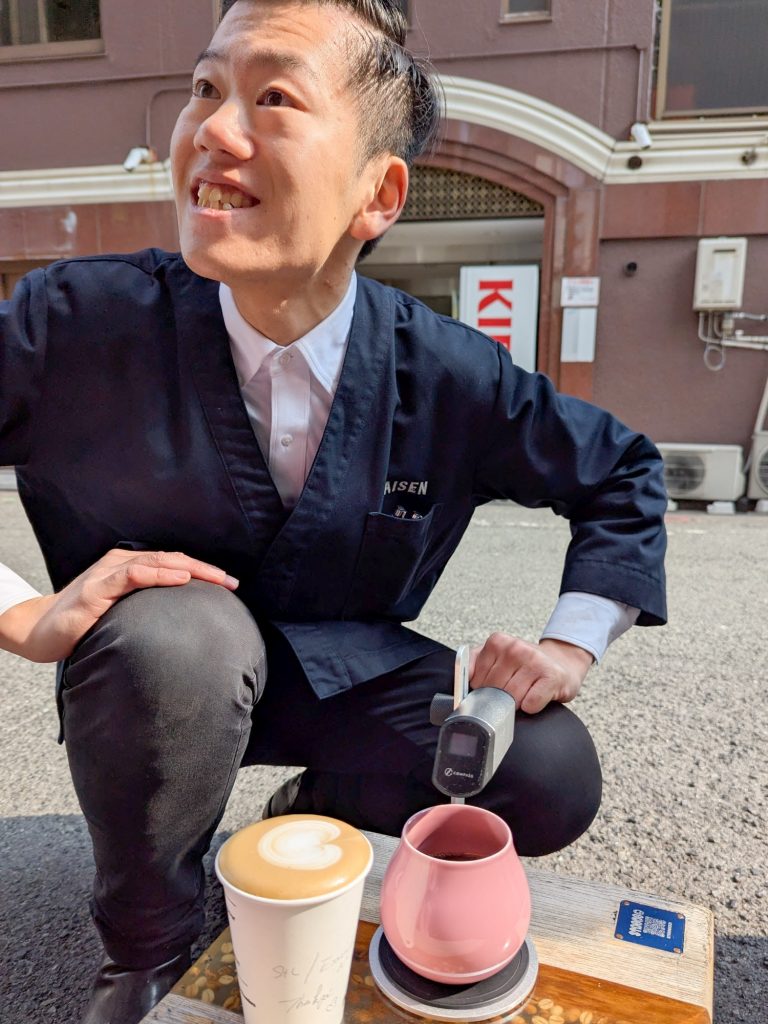
When we ordered filter coffee, the host called me to the bar and introduced the barista, Emi Ito, and casually mentioned that she had placed second in Japan’s Brewers Cup. He pointed to the trophy. I smiled at this point of connection and told her I had also come in second place in my own country’s Brewers Cup. Her reaction was immediate and warm. We did not know each other before this moment, but there was an instant recognition that we both spoke the same language. She reached beneath the counter and pulled out a small bag of limited Yemeni coffee, as if it had been waiting for exactly this moment. “We only have a few,” she said. “It’s rare. Special. Roasted yesterday.” I bought it without hesitation.
We drank our coffees there on the curb, hands wrapped around warm cups, winter air all around us. A year later, that latte still defines the outer edge of what I believe is possible.